La Grande Soufrière
La Grande Soufrière
At 1467 m, the highest peak in the Lesser Antilles, La Grande Soufrière is Guadeloupe's only active volcano. Ascent from the Bains Jaunes, near Saint-Claude.
La Grande Soufrière rises to 1467 m elevation and stands as the highest peak in the Lesser Antilles. Nicknamed "the old lady" by locals, it is Guadeloupe's sole active volcano, currently in a state of eruptive rest. Located 5 km from Saint-Claude and 12 km from Basse-Terre's prefecture, it is climbed from the Bains Jaunes via marked trails of the National Park.
Why climb the Soufrière
The Soufrière offers a rare combination: an active volcano accessible on foot in less than two hours of hiking, panoramic views across the entire Guadeloupe archipelago and several neighboring islands, and living geological terrain dotted with fumaroles, sulfurous chasms, and thermal springs. The ascent passes through dense tropical forest before opening onto windswept summit meadows often shrouded in mist, where pioneer species like Pitcairnia bifrons flourish.
Contrary to what some guidebooks sometimes suggest, the hike is not trivial: it is rated moderate to difficult depending on weather conditions, with sustained elevation gain, steeper slopes in the final 50 meters, and the regular presence of sulfuric gases at the summit.
Geological and eruptive history
La Grande Soufrière is a Pelean-type stratovolcano belonging to the Grande Découverte volcanic complex, with a neighboring eruptive complex to the southeast named La Madeleine. Three major phases shaped the massif:
- Grande Découverte phase (200,000 to 42,000 years ago): formation of the Grande Découverte caldera.
- Carmichaël phase (42,000 to 11,500 years ago): formation of the Carmichaël crater (opening westward) and Amic crater (opening southward).
- Soufrière phase (8,500 years ago to present): building of the cinder cones of Échelle (1338 m) and Citerne (1115 m), then emergence of the current dome at 1467 m. Nez Cassé (1280 m) rises in immediate proximity.
The first known magmatic eruption dates to 1690. The last, phreatic in type, spanned July 8, 1976 to March 1977. It triggered the evacuation of 25,000 people on July 8, 1976, followed by 73,422 people—the entire southern Basse-Terre—on August 15, 1976. In 2004, an earthquake caused the collapse of part of Piton Tarade and the permanent closure of the Savane à Mulets parking area.
What to see on site
The Bains Jaunes
At 950 m elevation, on the D11 road 5 km from Saint-Claude, the Bains Jaunes are pools fed by thermal springs of around 30 °C. This is the classic starting point for the Soufrière and a popular bathing spot upon returning from the hike. The pools are regularly maintained by National Park staff.
The Trace du Pas-du-Roy
From the Bains Jaunes, this trail reaches the Savane à Mulets in approximately 30 minutes, passing through humid tropical forest. It replaced the road access that became impassable after 2004.
The Savane à Mulets
A plateau at 1140 m elevation, below the dome. The former parking area of some sixty spaces, now unused, serves as a junction between the two ascent routes. Views already extend over the valley and neighboring islands.
The Chemin des Dames and the Échelle pass
Two routes lead to the summit: the Chemin des Dames takes about 1h15 of hiking from Savane à Mulets, with steeper terrain in the final 50 meters; the alternative route via the Échelle pass, on the western slope, requires 1h35.
The summit and its volcanic features
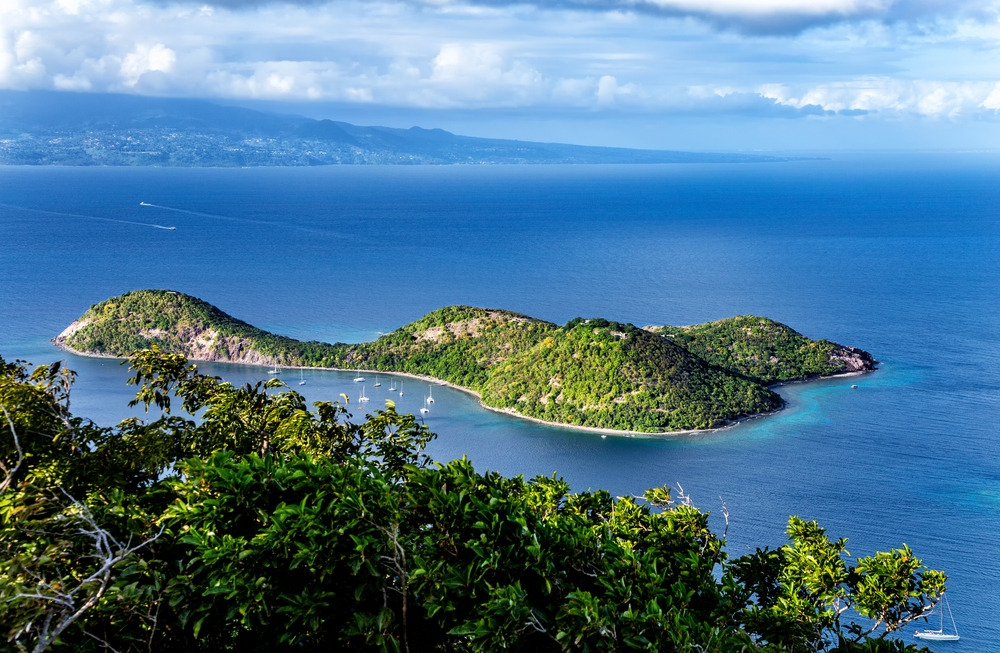
At the summit, you'll observe the Dupuy crater, the Tarissant chasm with its permanent fumaroles, the Napoléon chasm, and the Citerne. Nearby, the Galion waterfall is worth a detour. On clear days, the panorama encompasses Dominica, Les Saintes, Marie-Galante, Petite-Terre, La Désirade, and Montserrat.
Practical advice and safety
- Equipment: hiking boots with good grip, rain gear, fleece jacket (summit temperatures 15-22 °C), water, snacks.
- Sulfuric gases: do not approach fumaroles, avoid prolonged stays at the summit if winds push vapors downward, not recommended for people with asthma or heart conditions.
- Weather: fog can roll in within minutes; early departure recommended.
- Children: possible from ages 8-10 depending on fitness level, preferably for partial sections (Bains Jaunes – Savane à Mulets).
- Guidance: a local guide is helpful for terrain reading and safety, though not mandatory on marked trails.
When to go
The area remains humid year-round. The wettest season extends from July to December. The best window for visiting falls between January and March, with drier and clearer conditions. Departing around 7 a.m. maximizes the chances of a fog-free summit and lightly trafficked trails.
How to get there
From Basse-Terre's prefecture, head toward Saint-Claude via the main boulevard, then follow the D11 to the Bains Jaunes. The drive takes around thirty minutes. Parking is available at the Bains Jaunes level, the mandatory starting point for climbing on foot since the closure of the Savane à Mulets parking area.
Nearby attractions
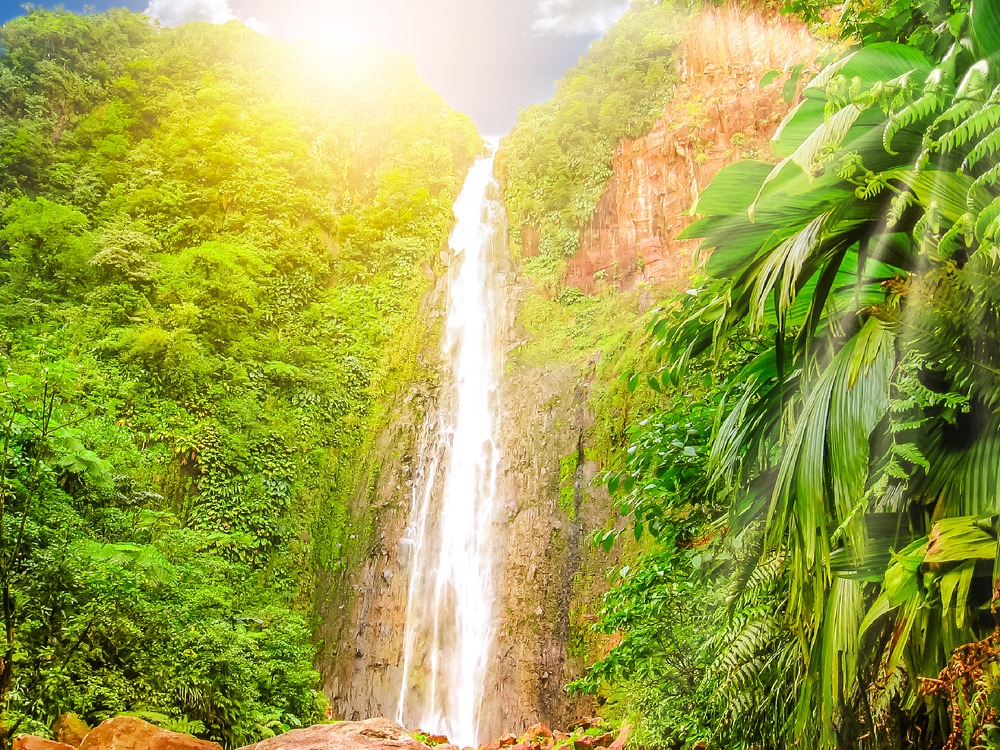
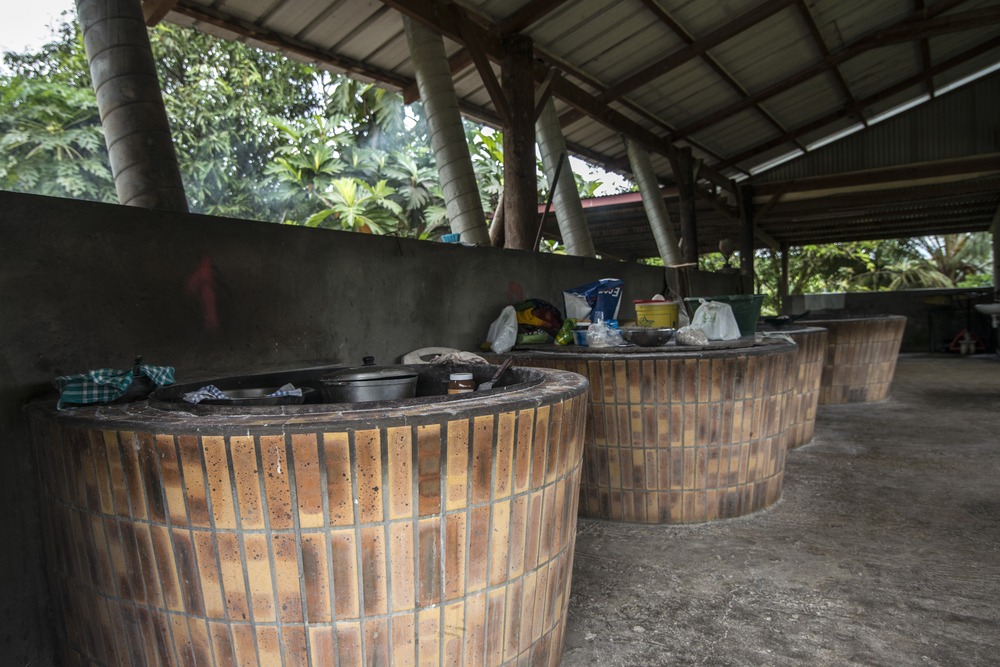
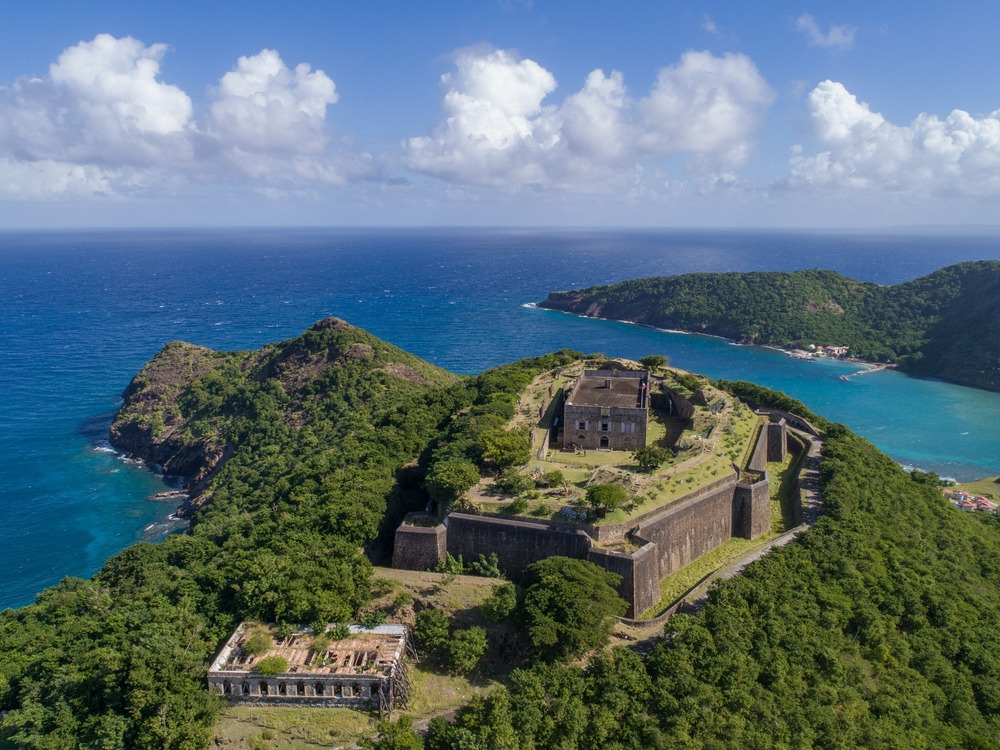
Saint-Claude and southern Basse-Terre concentrate several complementary sites: the Chutes du Carbet, within the same National Park; the Maison de la Kassaverie in Capesterre-Belle-Eau to learn about cassava culture; Grande Anse beach to end the day on the coast; and Damoiseau Distillery on Grande-Terre for agricultural rum enthusiasts. On the military heritage side, Fort Napoléon in Les Saintes rounds out a boat excursion from Trois-Rivières nicely.
Frequently asked questions
Frequently asked questions
Allow approximately 30 minutes from the Bains Jaunes to Savane à Mulets via the Trace du Pas-du-Roy, then another 1h15 to the summit via the Chemin des Dames, for a total of about 4 to 5 hours round-trip including breaks.
It is rated moderate to difficult depending on weather. The elevation gain is sustained, the final 50 meters to the summit are steeper, and rain makes trails slippery. Good physical fitness is recommended.
Hiking boots, waterproof jacket, fleece (15-22 °C at the summit), water, snacks, and something to protect your belongings from moisture. Swimsuit for the Bains Jaunes on the way back.
Children accustomed to hiking can reach the summit from about 8-10 years of age. For younger children, the round-trip Bains Jaunes – Savane à Mulets remains a pleasant family option.
Yes. In the event of unusual seismic activity, strong gas emissions, or dangerous weather, the National Park may restrict access to the summit. Check the posted guidelines at the Bains Jaunes before departing.
Extending your exploration
La Grande Soufrière fits into a broader itinerary blending volcano, tropical forest, and neighboring islands. To plan a cohesive stay around Basse-Terre and Les Saintes, consult our Guadeloupe travel ideas.
Nearby
Interested in this visit?
We can include it in your personalised itinerary.