Fort Napoléon
Fort Napoléon
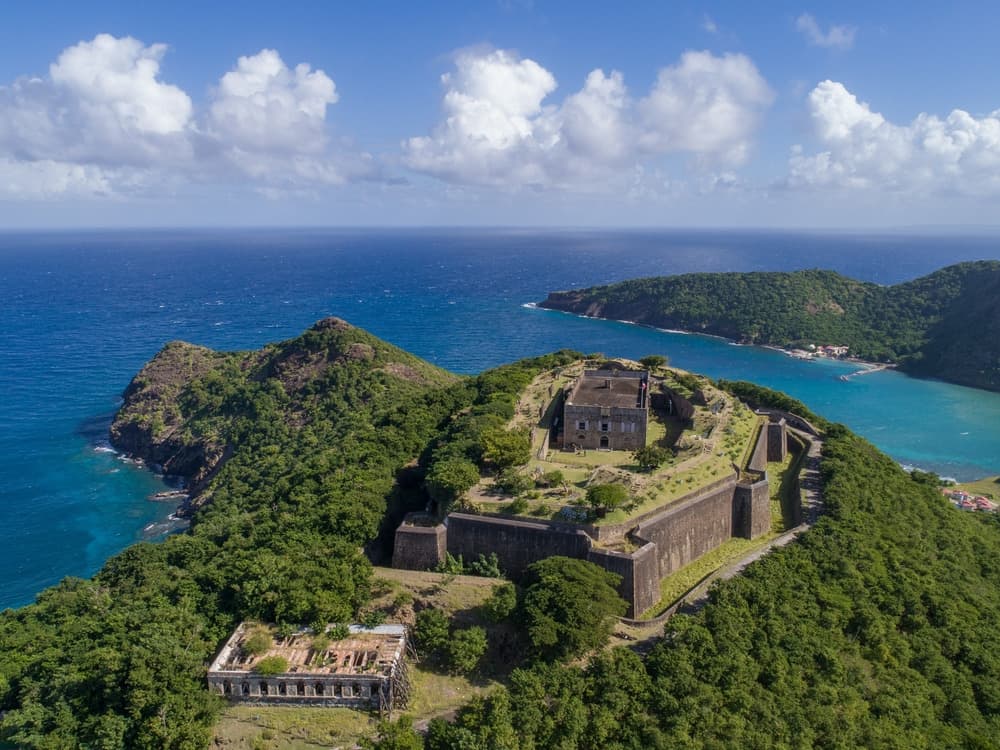
Crowning the summit of Morne Mire in Terre-de-Haut, Fort Napoléon houses a museum dedicated to Les Saintes and a cactus garden populated with free-roaming iguanas.
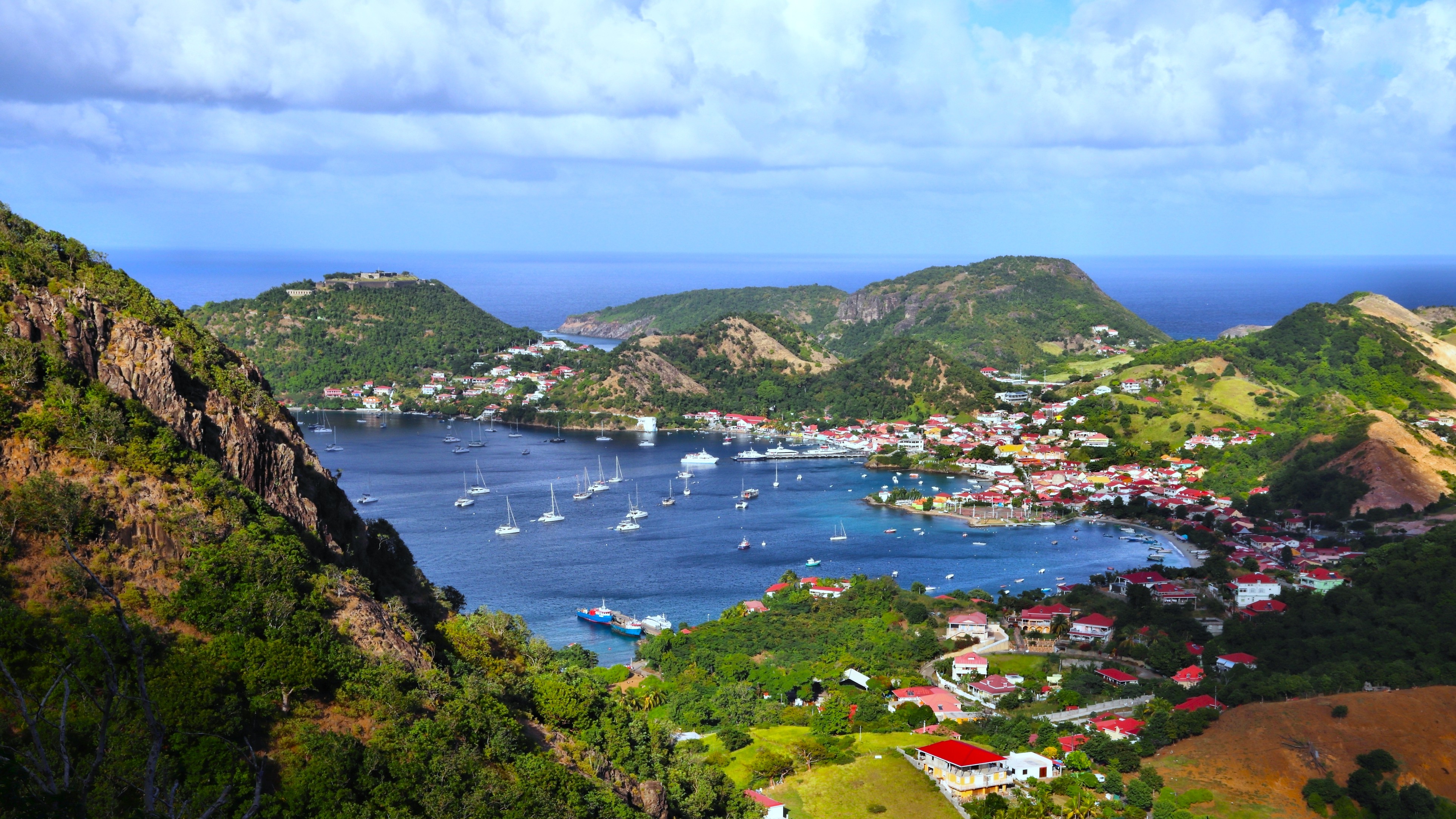
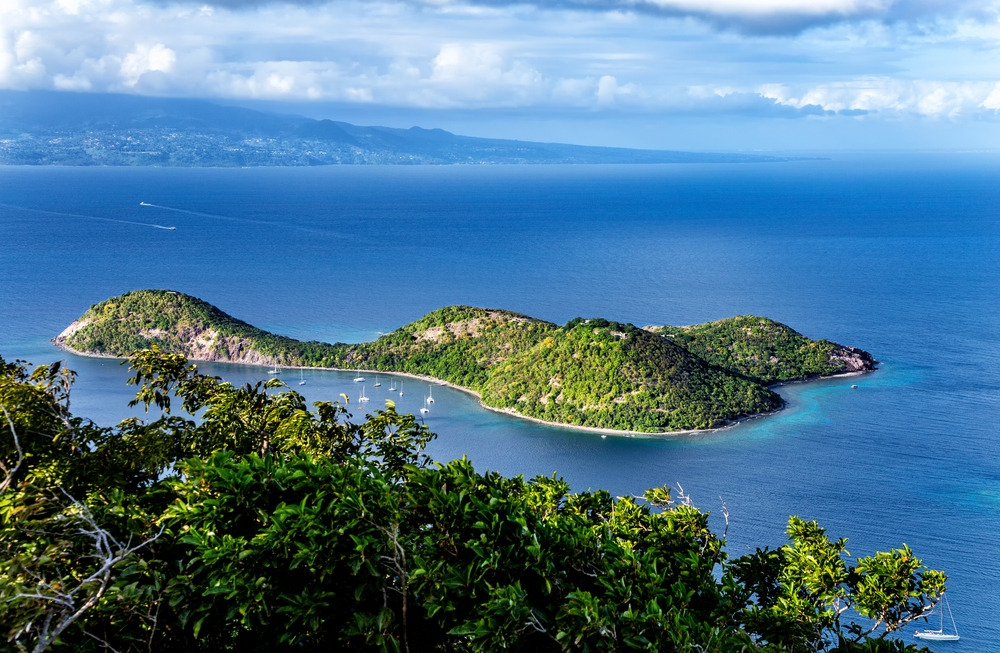
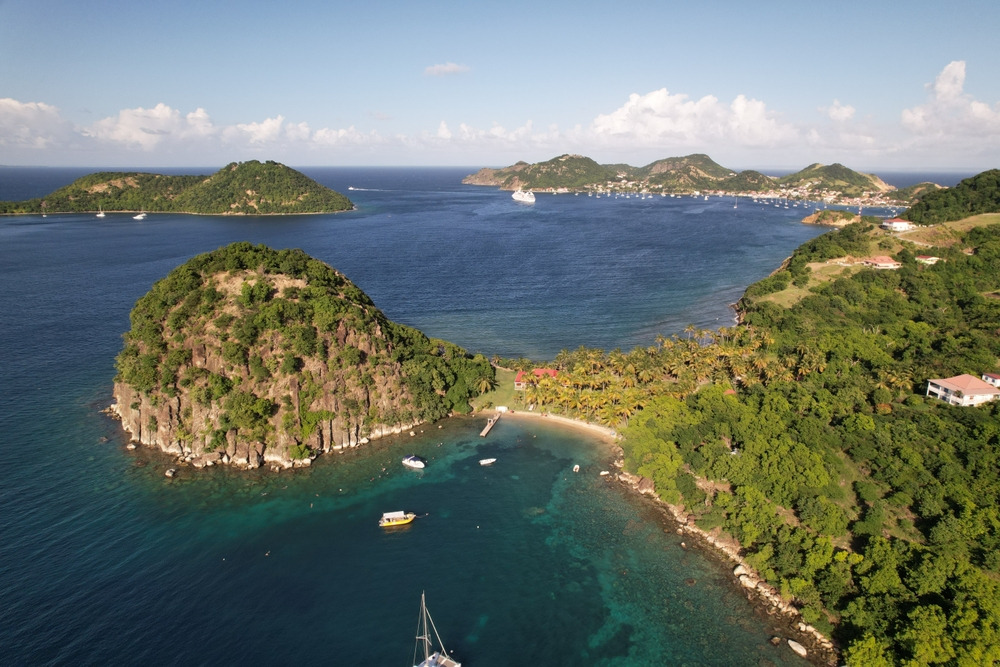
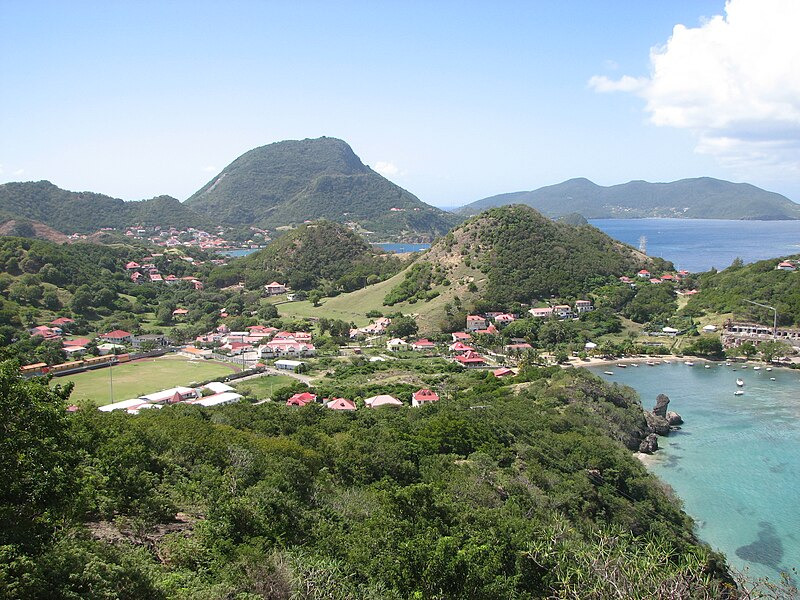
Fort Napoléon crowns the summit of Morne Mire in Terre-de-Haut, overlooking the bay of Les Saintes since the early 19th century. Listed as a Historical Monument since 1997, the structure never saw genuine military use, but today houses a museum dedicated to the archipelago and a botanical garden populated with free-roaming iguanas.
Why visit Fort Napoléon
The site combines several points of interest: well-preserved military architecture (irregular octagon with eight bastions, a 400-meter rampart walk, and an original counterweight drawbridge), unobstructed views of the bay of Les Saintes and neighboring islets, and a museum tracing the history of Les Saintes from the 1782 naval battle to local maritime life before the tourism era. The cactus and succulent garden, where iguanas roam freely, completes the visit.
History of the fort
The archipelago of Les Saintes fell under British control between 1759 and 1763, before being returned to France by the Treaty of Paris. A first fortification was then built under the name Fort Louis, then renamed Fort Napoléon in 1805 in honor of the emperor. Poorly protected, the structure was destroyed by the British in 1809.
After Les Saintes returned to France in 1814, a new fort was constructed on the ruins of the old one between 1816 and 1840. From 1844 onward, under Napoléon III, reinforcement work was undertaken but never completed. The fort never served militarily. It was used as an internment center under the Vichy regime during World War II, then fell into ruin. Restoration was undertaken by local associations from 1973 onward, and the site reopened to the public in its current form.
What to see on site
The fortified enclosure
The fort takes the form of an irregular octagon with eight bastions connected by tall curtain walls overlooking moats about thirty feet deep. A 400-meter rampart walk follows the contour of the ramparts. Inside, a second pathway runs along the fortifications, separated from the first by a slope where soldiers once positioned artillery, protected by eight traverse shelters. Entry is still made via the original counterweight drawbridge.
The barracks
In the center of the courtyard, the barracks are organized in seven bays across three levels:
- Ground floor: bread oven, kitchen, refectory, guardroom, storage areas, and an underground cistern of 370 cubic meters.
- First floor: officers' quarters and vast dormitories accommodating up to 220 men, arranged in rows of beds separated by a central corridor 1.60 meters wide.
- Top level: a paved terrace surrounded by a parapet pierced with loopholes and six bretèches equipped with machicolations. Rainwater is collected and filtered here before feeding the cistern, through an ingenious system still visible today.
The museum and botanical garden
The museum, installed on the first floor of the barracks, features scale models of the 1782 naval battle (Battle of Les Saintes), navigation objects, old postcards and photographs documenting the archipelago's history. Outside, the botanical garden showcases a collection of succulents and cacti from various regions around the world. Iguanas roam freely among the rocks and cacti.
Practical information
The site is open Monday through Sunday mornings, except on public holidays (hours should be confirmed locally before your visit). Allow approximately 1.5 to 2 hours to tour the fort, museum, and garden. The visit can be done freely with the aid of explanatory panels, or with a local English-speaking guide who adds anecdotes about life in Les Saintes and the archipelago's culture. Bring water, a hat, and sturdy shoes: the climb is in full sun and the ground is partly paved.
How to get there
The fort sits at the summit of Morne Mire, above the town of Terre-de-Haut. To reach the main island of Les Saintes from mainland Guadeloupe, ferry service is available from Trois-Rivières (shortest crossing), Pointe-à-Pitre, and Saint-François. Once in Terre-de-Haut, it takes about 20 minutes of walking from the town center to reach the fort, following the road that climbs the morne. Local shuttle services and scooter rentals are also available at the harbor.
What to see nearby
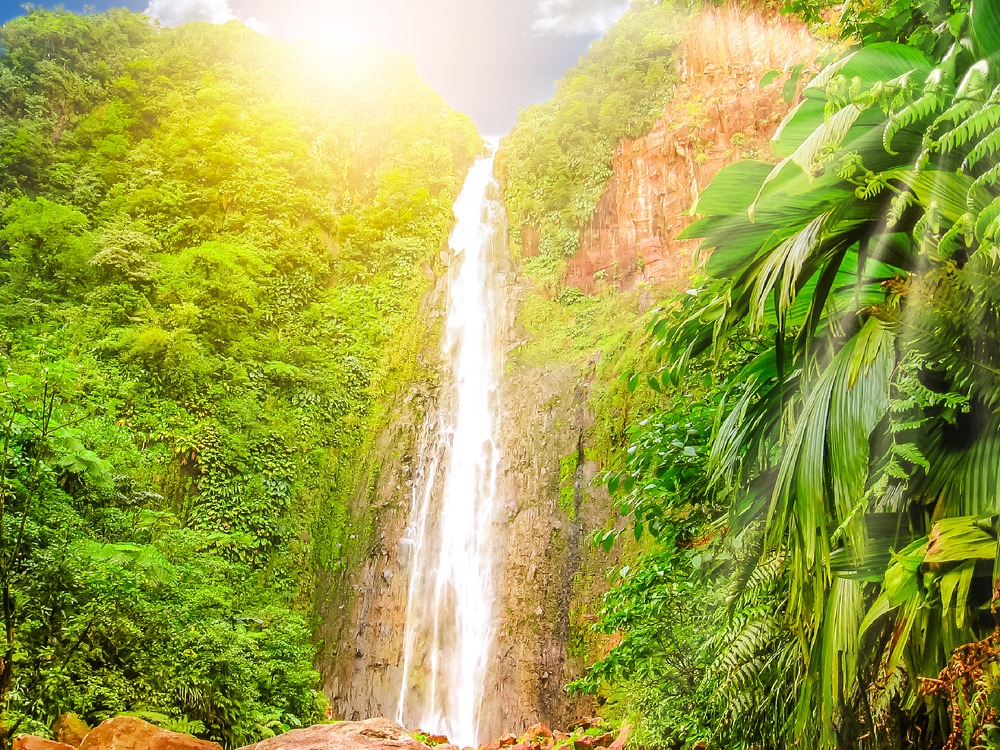
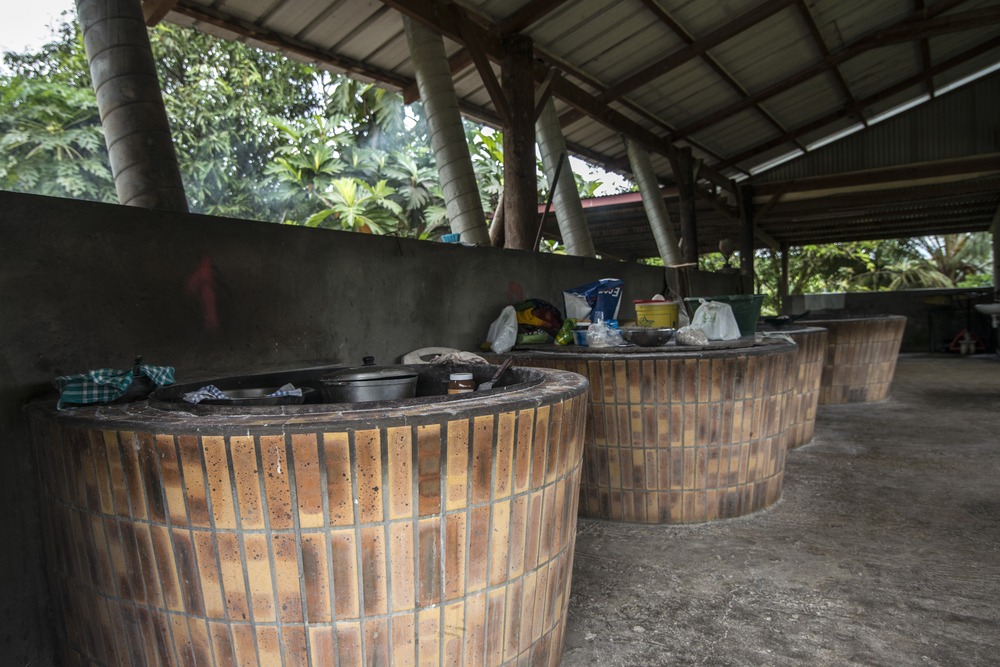
Terre-de-Haut and the archipelago of Les Saintes invite broader exploration. On the neighboring island of Terre-de-Bas, Chameau Hill offers the other major viewpoint of Les Saintes. On Basse-Terre, the Carbet Falls rank among the most visited natural sites in the national park. On the industrial and gastronomic heritage side, Damoiseau Distillery and Factory Mill document the island's sugar and rum-making history. For a beach break, Grande Anse Beach remains one of Guadeloupe's most beloved stretches of sand.
Frequently asked questions
Frequently asked questions
You must first take a ferry to Terre-de-Haut, mainly from Trois-Rivières (fastest crossing), Pointe-à-Pitre, or Saint-François. From the town of Terre-de-Haut, the fort is reached on foot in about twenty minutes by the road climbing Morne Mire.
Plan 1.5 to 2 hours to tour the fortifications, museum, and botanical garden. Add 40 minutes round-trip walking from town.
Access is difficult: the climb from town follows a sloped road and the fort's interior features paved floors, stairs, and narrow passages. Check locally before your visit.
The site opens daily in the morning, except on public holidays. Hours vary: it is advisable to check with the Terre-de-Haut tourist office before visiting.
Yes. The cactus garden is home to several iguanas living among the rocks and succulents. They are accustomed to visitors but remain wild animals: it is best not to feed them or get too close.
Planning the rest of your trip
Fort Napoléon fits naturally into an itinerary combining Les Saintes, Basse-Terre, and Grande-Terre. To build a complete route, consult our Guadeloupe trips.
Nearby
Interested in this visit?
We can include it in your personalised itinerary.