Practical information Guadeloupe
Guadeloupe being a French overseas region, formalities remain straightforward for French and European citizens, though a few specifics are worth planning ahead for. Our team based in the capital provides here the practical information we've shared with our travelers for years. On the formalities side, no visa or passport required for French citizens—an ID card is sufficient—but ESTA or ETIAS authorization may be required if you have a stopover in the United States or Canada. No mandatory vaccinations; dengue circulates seasonally and mosquito repellent remains useful, especially during the wet season. Average budget runs around 100 to 180 euros per day per person excluding international flights, car rental included. The currency is the euro; card payments are accepted everywhere except small markets. Climate divides into two seasons: the dry season, from December to April, drier and windier, and the rainy season, from June to November, more humid and marked by cyclone risk in August-September. On transportation, a rental car is essential: no rail network, buses exist but are limited, and ferries serve Les Saintes, Marie-Galante, and La Désirade. Chris and our team provide you with useful contacts, up-to-date boat schedules, and safety recommendations before departure.
Plan your trip by theme
Explore our practical guides organized by category to quickly find the information you need.

Before You Go
ID card or passport, ESTA if transiting through the US, travel insurance, first-aid kit: what you need to prepare before departure.
5 articles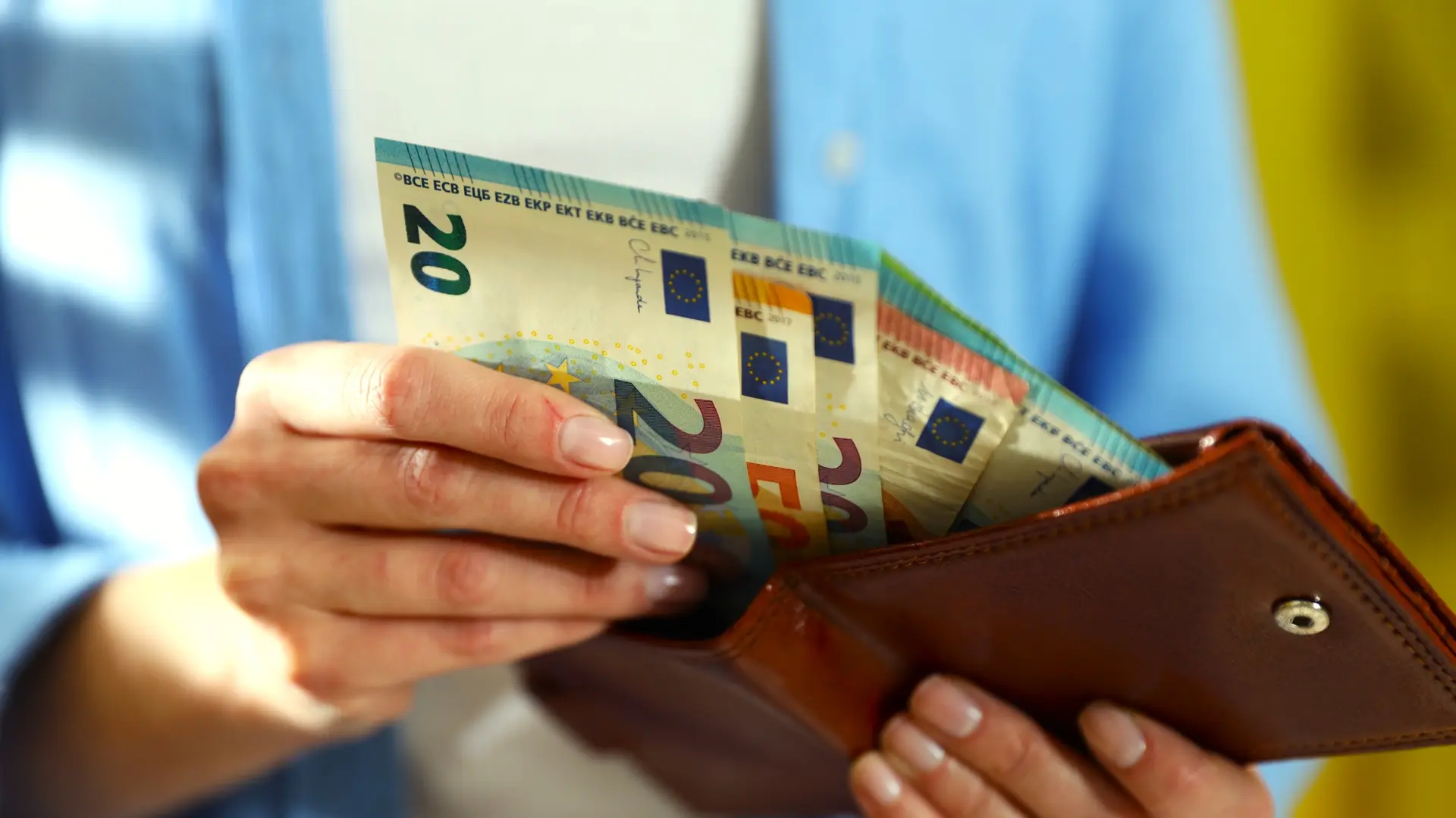
Budget & Money
Euro, cards accepted everywhere, numerous ATMs, budget range of €100 to €180 per day per person, tips not mandatory.
2 articles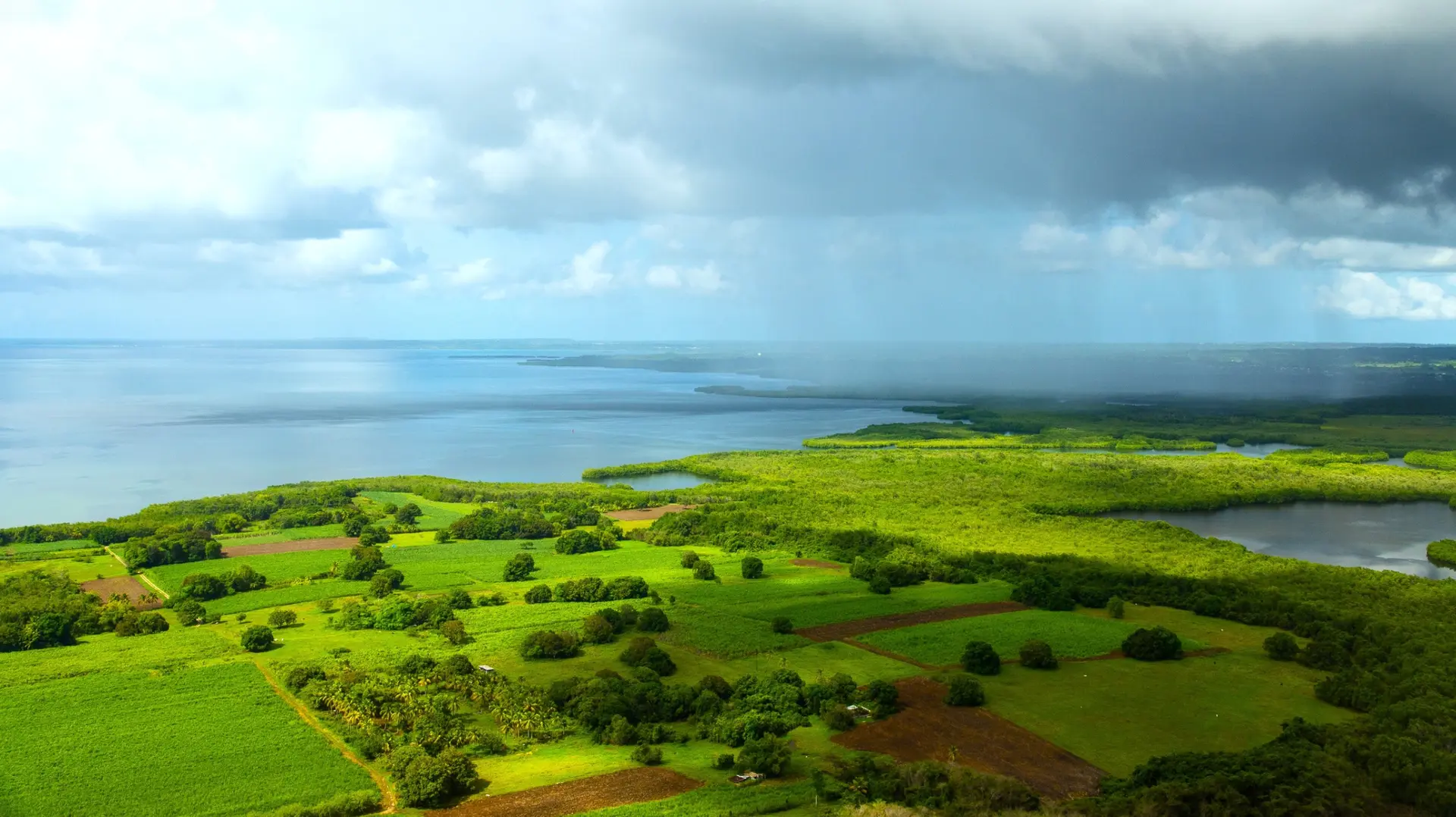
Climate Season
Dry season from December to April, humid rainy season from June to November, stable temperatures around 26-30 °C, cyclonic risk in August-September.
3 articles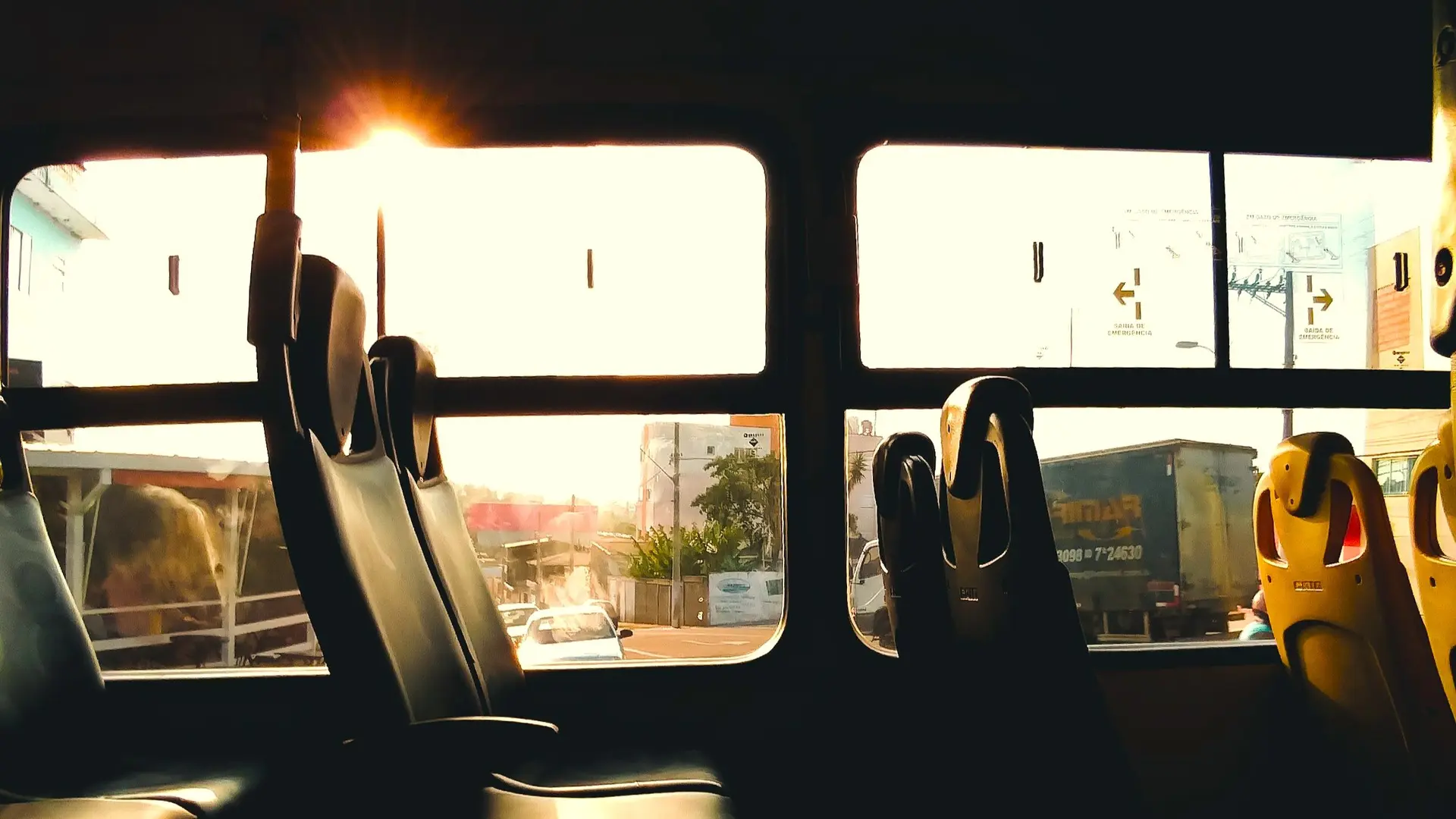
Transports
Rental car almost essential, limited bus services, ferry shuttles to Les Saintes, Marie-Galante and La Désirade from several ports.
5 articles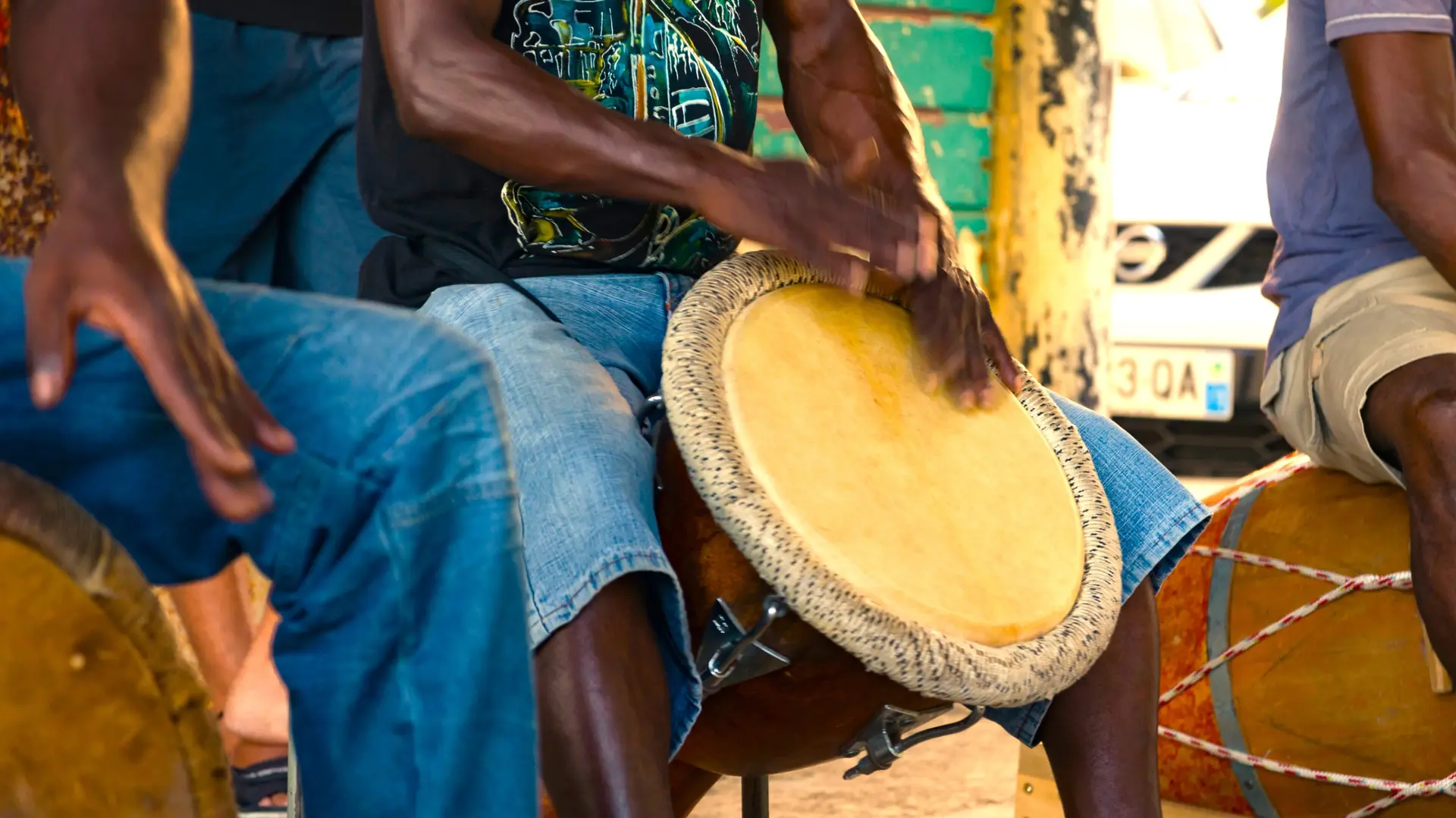
Culture
Guadeloupe Creole and French, gwoka listed by UNESCO, morning markets, tropical rhythms of life, relaxed dress codes.
6 articles
Useful Tips
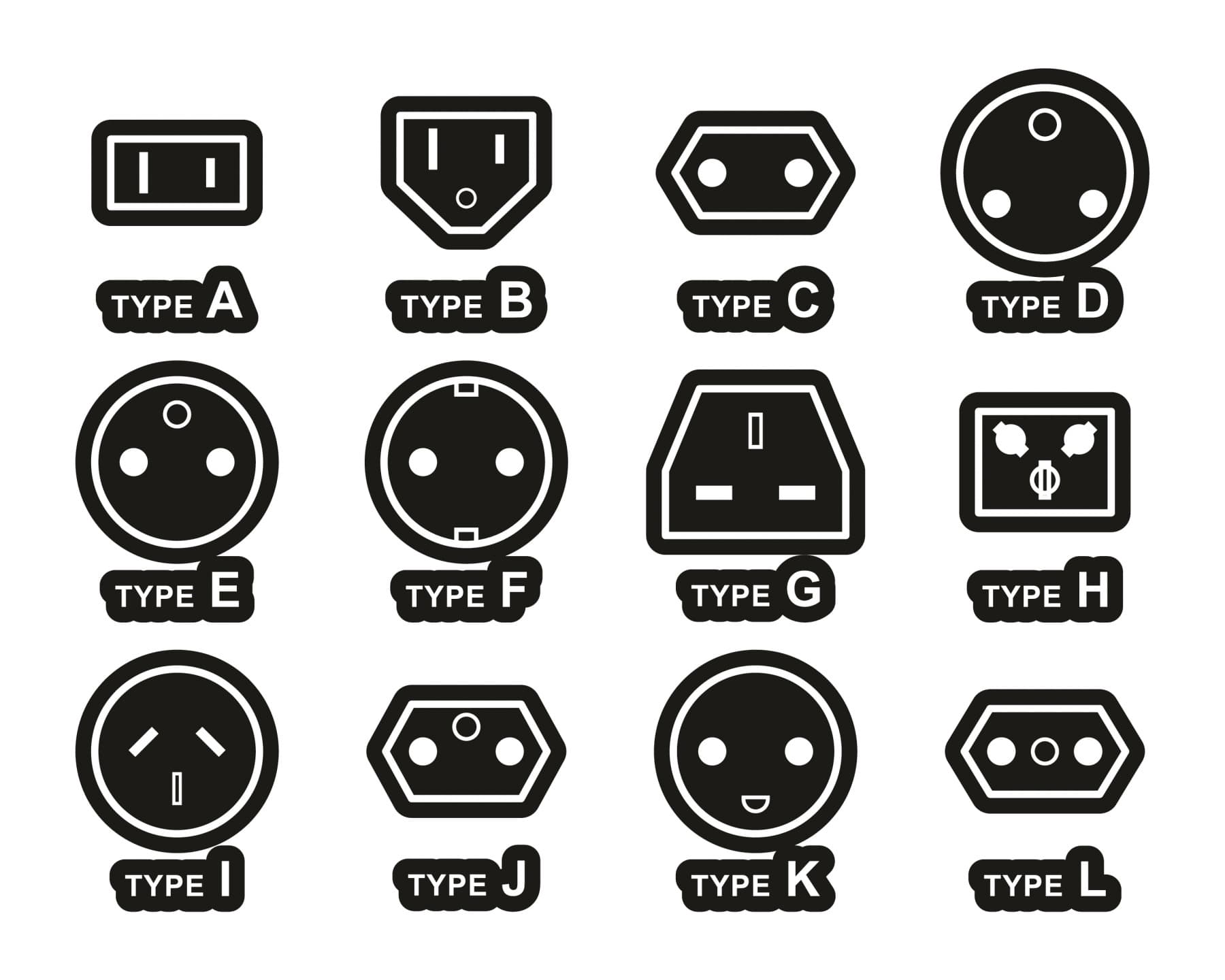
Drinking tap water, French 220V outlets, decent 4G coverage, mosquito repellent useful, watch out for currents on certain windy beaches.
5 articlesAll practical guides
Search and filter among 26 articles





18 of 26 results
Frequently asked questions
The answers to the most frequently asked questions from our travellers.
Since Guadeloupe is a French overseas region, no visa is required for French nationals and EU citizens. A valid national identity card is sufficient for French travelers; a passport is still recommended. Non-EU nationals should verify conditions according to their nationality, with rules aligned to those of mainland France. Please note: if your flight has a stopover in the United States or Canada, an ESTA or AVE authorization is mandatory, even for simple transit. The future European ETIAS system does not apply to travelers entering Guadeloupe from mainland France. We will provide you with all necessary verifications before ticket issuance.
No vaccination is mandatory to enter Guadeloupe. French vaccinations should simply be up to date: diphtheria, tetanus, poliomyelitis, and pertussis. Vaccines against hepatitis A and typhoid are sometimes recommended for long stays or travel to rural areas, to be discussed with your doctor. There is no malaria in Guadeloupe, but dengue, chikungunya, and zika circulate in cycles, especially during the wet season. The best protection remains mosquito repellent containing DEET or IR3535, long sleeves in the evening, and sprays in rooms. A consultation at an international vaccination center one month before departure is advised.
Count between 100 and 180 euros per day and per person excluding international flights, in mid-range formula with car rental. Car rental ranges from 35 to 60 euros per day depending on the season, petrol around 1.80 euros per litre. A meal in a beachside lolo costs 12-18 euros, dinner at a restaurant between 25 and 45 euros per person. A night in a 3-star hotel ranges from 100 to 180 euros, villa-type rentals with swimming pool between 800 and 2,500 euros per week depending on size. Paid activities (diving, catamaran, boat trips) add 50 to 90 euros per outing. High season (December to April) increases prices by 20 to 40%.
The dry season, locally called carême, runs from December to April. It's the most comfortable period: temperatures around 26-29°C, steady trade winds, and clear skies most of the time. It's also peak tourist season, with higher airfare and hotel rates, especially between Christmas and mid-March. May and June offer a good compromise: still little rain, pleasant temperatures, and more affordable rates. The rainy season, from July to November, brings more frequent tropical showers and higher humidity. August, September, and early October concentrate the cyclone risk, which travelers sensitive to weather conditions should take into account. November often marks the transition with drying conditions.
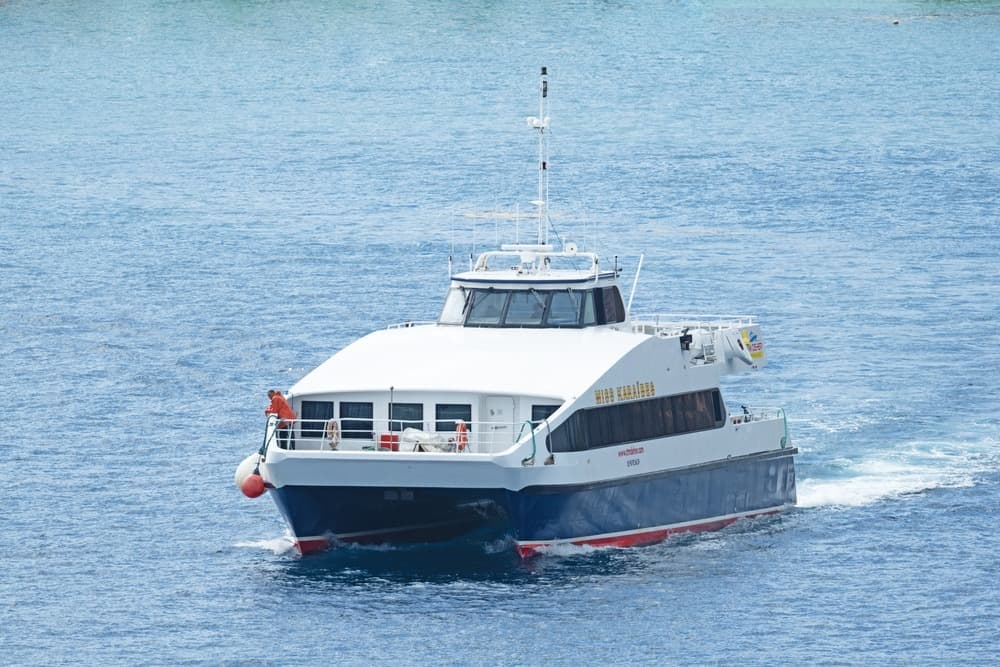
A rental car is the most practical way to explore the archipelago. The road network is generally in good condition on Grande-Terre and along Basse-Terre's coasts, more winding in the interior. Allow 1h30 to cross Basse-Terre from north to south via the Route de la Traversée. Buses exist but their schedules are not well suited for tourist use. To reach the dependencies, maritime connections are regular: 45 minutes to Marie-Galante from Pointe-à-Pitre, 20 minutes to Les Saintes from Trois-Rivières, 45 minutes to La Désirade from Saint-François. Air connections also exist to Marie-Galante. On the smaller islands, scooter or electric car rental.
Guadeloupe is a generally safe destination for travelers, subject to French law and the same security services as mainland France. Standard precautions apply: do not leave valuables visible in your car, avoid isolated beaches at night, and lock accommodations when away. Pointe-à-Pitre requires a bit more vigilance in the evening in certain neighborhoods, though there is no need to avoid the city during the day. The real points of attention concern the sea: strong currents on certain windward beaches (Anse Bertrand, Porte d'Enfer), rough seas during the winter season, and occasional sargassum on the east coast. Our team will provide you with up-to-date recommendations before departure based on your itinerary and the season.
Ready to travel to in Guadeloupe?
Discover our tailor-made itineraries, designed by our local team. Each route adapts to your pace, your preferences and your travel season.
See our toursWe use cookies to improve your experience and measure our site's audience. You can choose what you accept. Learn more.