Complete guide to Guadeloupe
Guadeloupe forms a butterfly-shaped archipelago in the Lesser Antilles, 6,700 km from Paris. The two main wings, Basse-Terre to the west and Grande-Terre to the east, meet across a narrow strait, the Rivière Salée, bordered by the mangrove swamps of Grand Cul-de-Sac Marin. To the west, the terrain rises steeply: La Soufrière peaks at 1,467 m and still smokes, surrounded by humid forest where the Cascade aux Écrevisses waterfall winds through. To the east, the landscape flattens into sugarcane fields, limestone cliffs at Pointe des Châteaux, and blonde-sand beaches like Bois Jolan or Sainte-Anne.
South of Basse-Terre, the Saintes archipelago clusters its islets around Terre-de-Haut, a bay ranked among the world's most beautiful. Marie-Galante, further to the southeast, keeps a rural pace with its mills and three working distilleries. La Désirade, more arid, closes off the archipelago to the east on a windswept plateau. On the culinary side, hot bokit for 5 euros on the beach, Sunday goat colombo, and ti-punch with agricultural rum shape daily life.
For a first visit, plan at least two weeks to combine Basse-Terre (hiking, diving at Cousteau Reserve), Grande-Terre (beaches, trade winds), and at least one dependency. Our team guides you based on season and your preferred pace.
The regions of Guadeloupe
Each region has its own personality: climate, landscapes, pace of life and ways of traveling. Our local team helps you choose the combination that suits you.
Basse-Terre
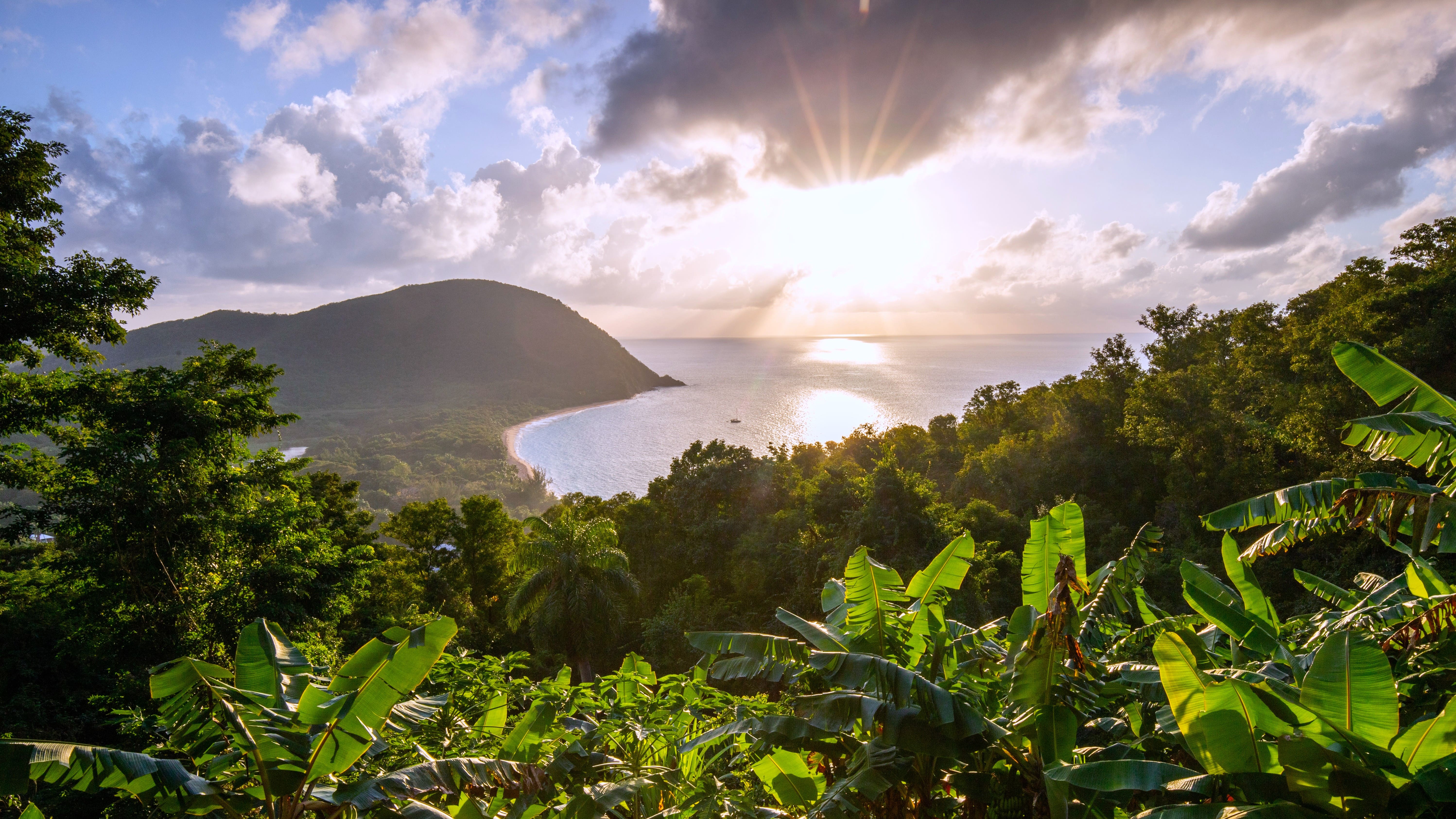
The western side of Guadeloupe is dominated by the Soufrière volcano and its National Park. The Traversée road cuts through the tropical forest between Pointe-Noire and Petit-Bourg: you can hike there to the Carbet Falls at 25 to 28 °C, under humidity that rises quickly. The leeward coast, from Deshaies to Bouillante, shelters the Cousteau Reserve, one of the best diving spots in the French Caribbean. The fishing villages maintain a calmer pace than Grande-Terre, and black sand beaches like Malendure offer a change from the typical postcard scenery.
Grande-Terre
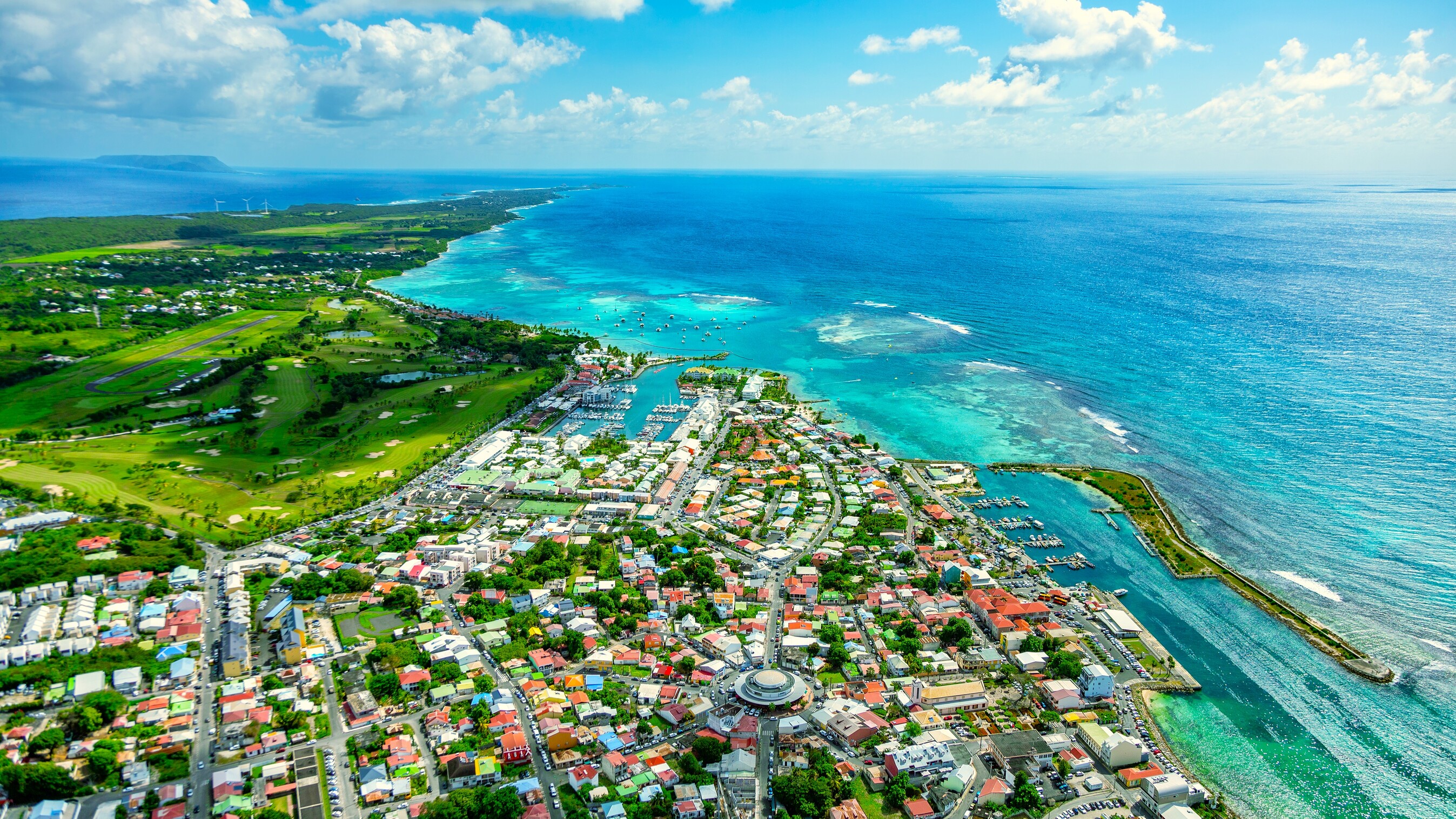
The eastern wing concentrates white sand beaches and the majority of accommodations. Sainte-Anne and its sheltered lagoon, Saint-François and its marina, Pointe des Châteaux pointing towards La Désirade: visitors come here for swimming, kitesurfing at Le Moule and catamaran outings. Inland, sugarcane fields lead to the still-active Damoiseau distillery. Pointe-à-Pitre, the main economic hub, is worth a visit for its spice market and the ACTe memorial dedicated to the history of slavery. Drier climate than Basse-Terre, with constant trade winds.
Les Saintes
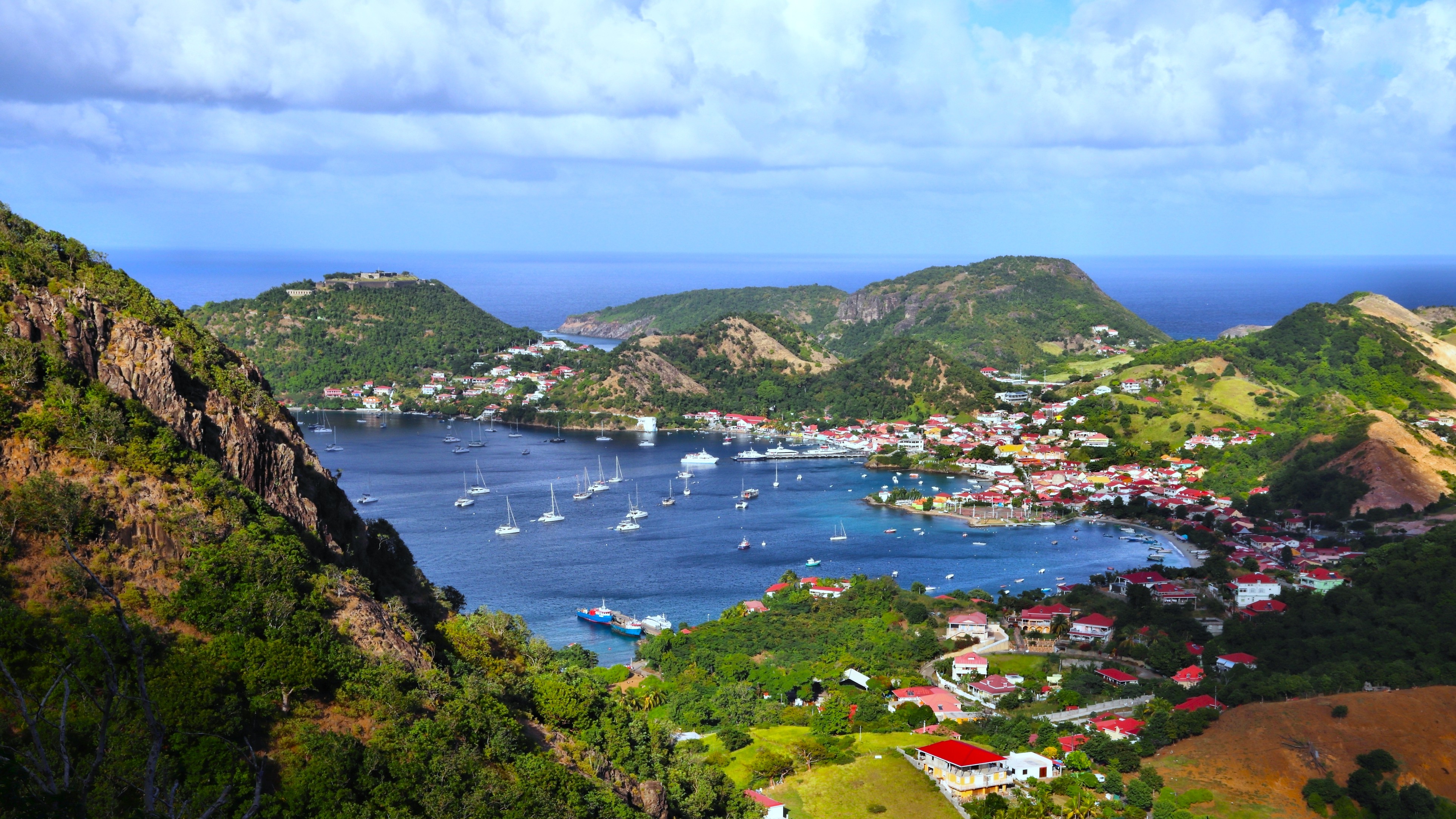
A small archipelago of nine islets south of Basse-Terre, with only Terre-de-Haut and Terre-de-Bas inhabited. The bay of Terre-de-Haut, enclosed by Pain de Sucre and Îlet à Cabrit, can be crossed on foot or by scooter in a day. Fort Napoléon overlooks the town and offers sweeping views across the archipelago. Fishermen still sell their morning catch at the port. To get there, allow 20 minutes by ferry from Trois-Rivières or 45 minutes from Pointe-à-Pitre. A stay of one to two nights lets you enjoy the beaches once the day-trippers have left.
Marie-Galante
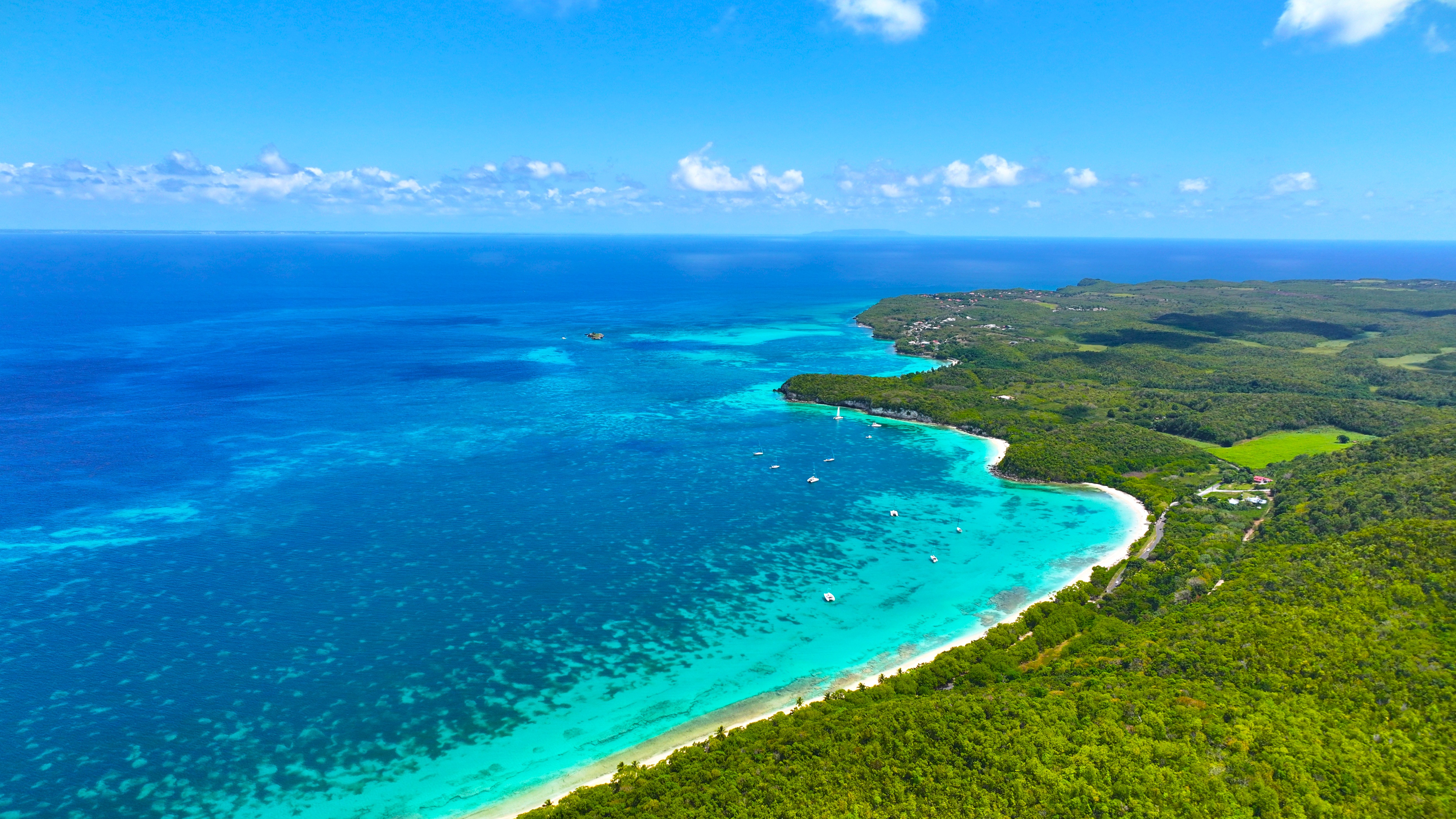
Round island of 158 km² southeast of Guadeloupe, nicknamed the big pancake for its shape. The rhythm remains rural here: sugarcane fields, ox-drawn carts and three distilleries still in production (Bielle, Bellevue, Poisson). The beaches of Feuillère and Petite Anse are among the longest white sand beaches in the archipelago. It is accessible in 45 minutes by boat from Pointe-à-Pitre. Two to three days are enough to explore the island by bike or car, taste 59° rum and have lunch with a bébélé, a typical dish made with tripe and breadfruit.
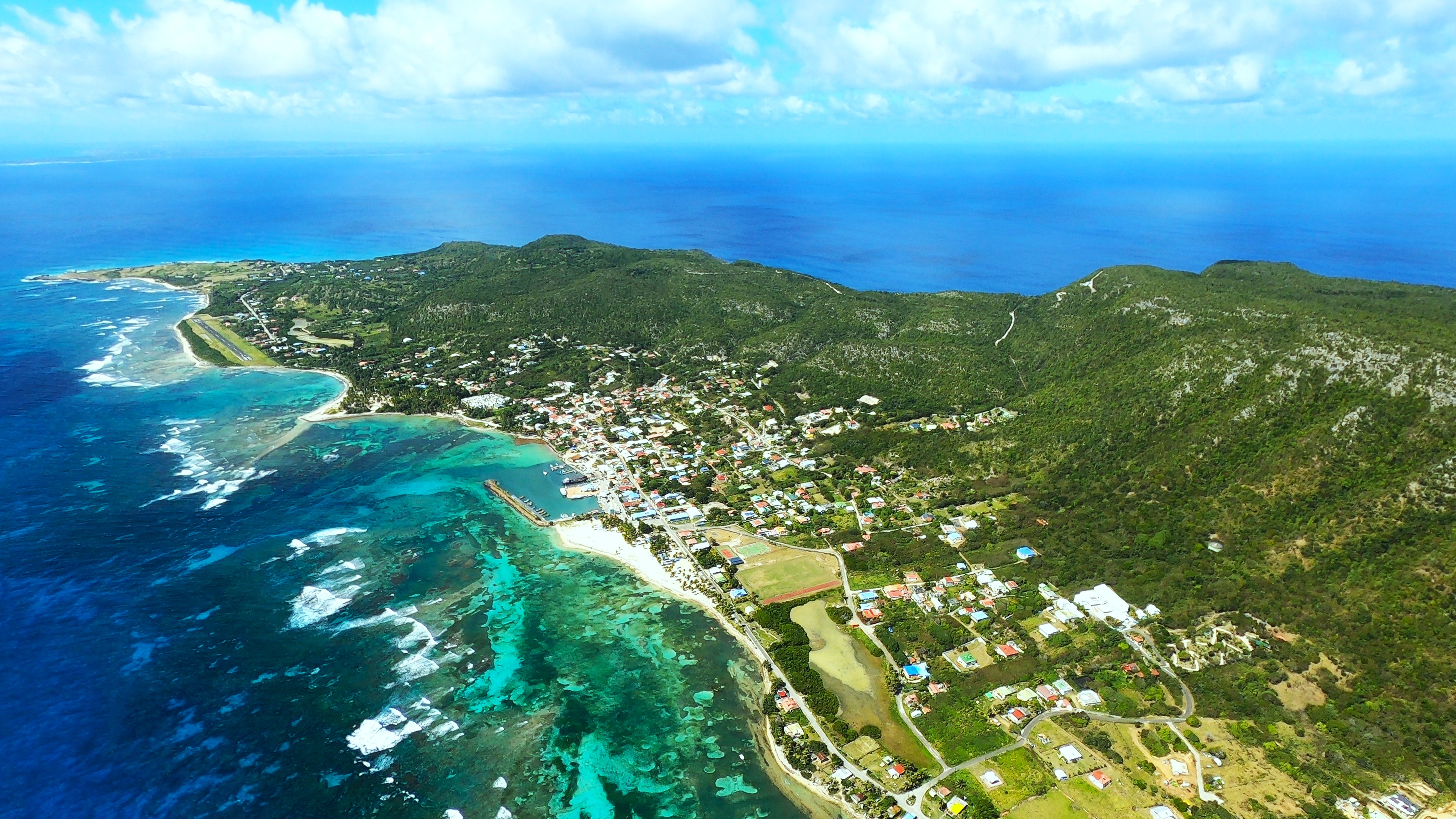
La Désirade
The easternmost island of the archipelago, 11 km long, untouched by mass tourism. The central limestone plateau, swept by trade winds, shelters a geological reserve: it contains the oldest rocks in the Lesser Antilles. The southern coast features quiet beaches like Fifi and le Souffleur. A single road circles the island, accessible by scooter in half a day. A 45-minute connection from Saint-François. A brief stop that stands in sharp contrast to Grande-Terre's atmosphere, with fewer than 1,500 inhabitants and an economy still largely based on fishing.
Explore by theme
Unique experiences tailored to every traveler.
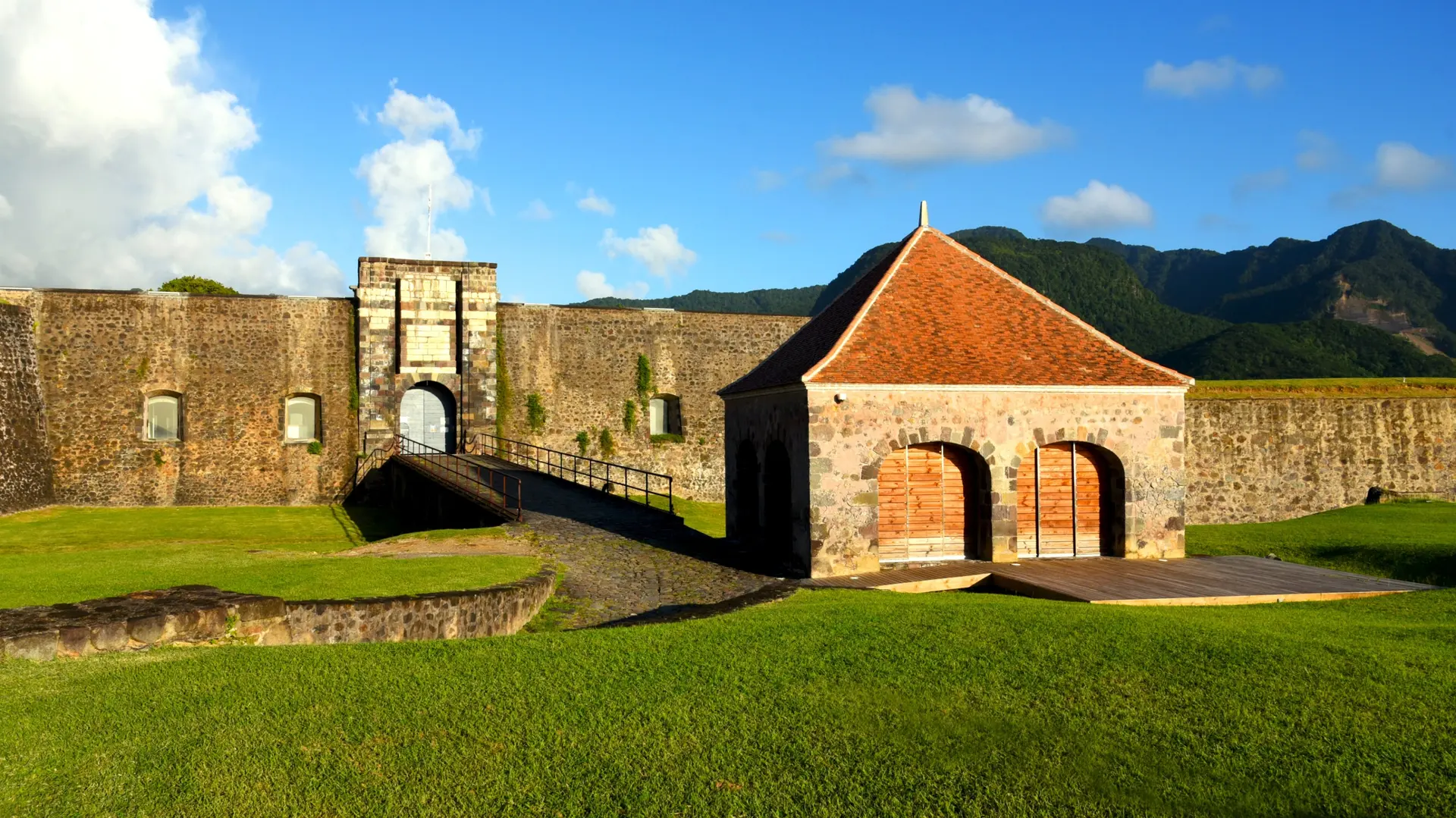
Culture & Heritage
Temples, musées, sites historiques
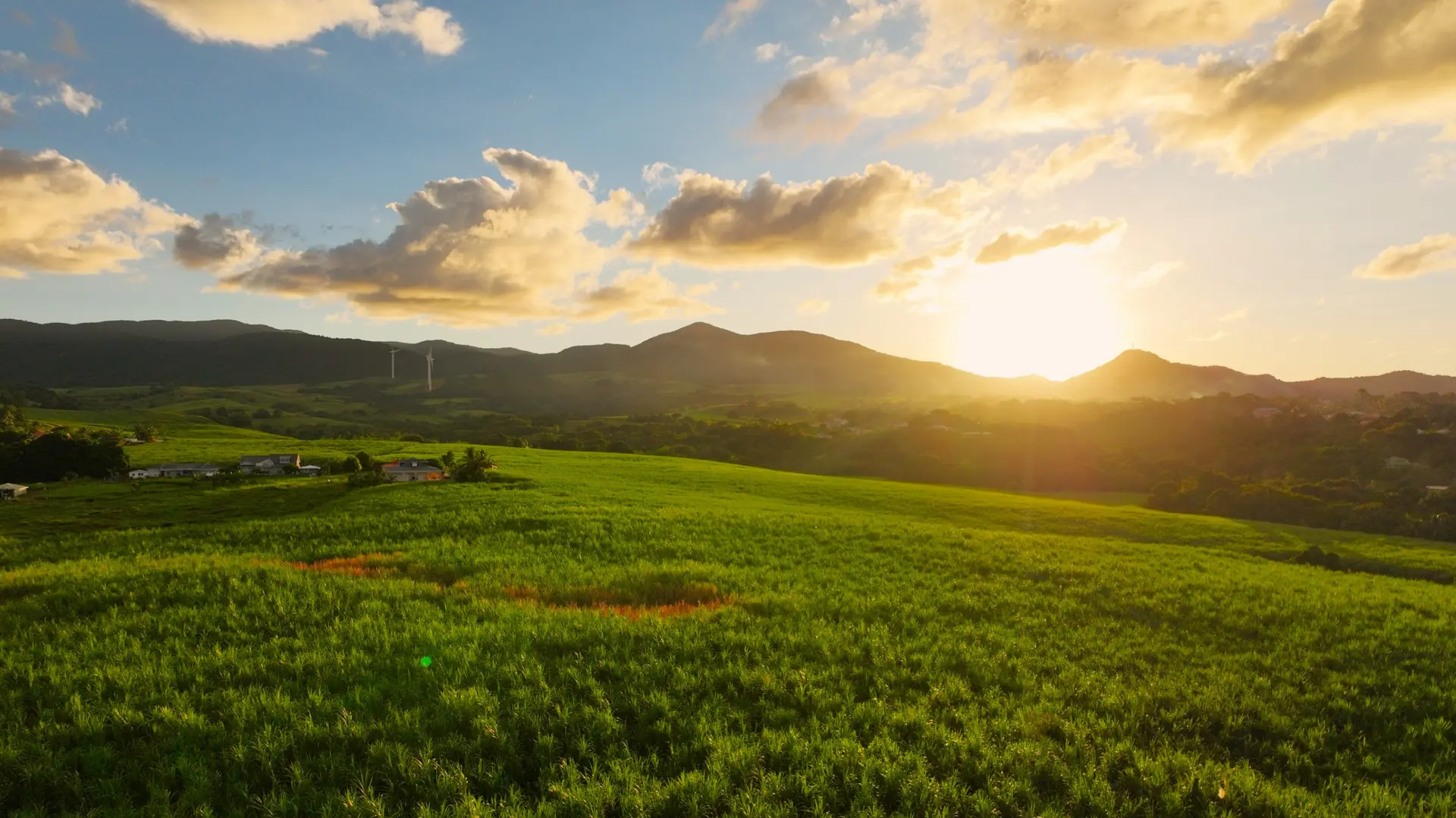
Nature & Landscapes
Parcs nationaux, montagnes, forêts
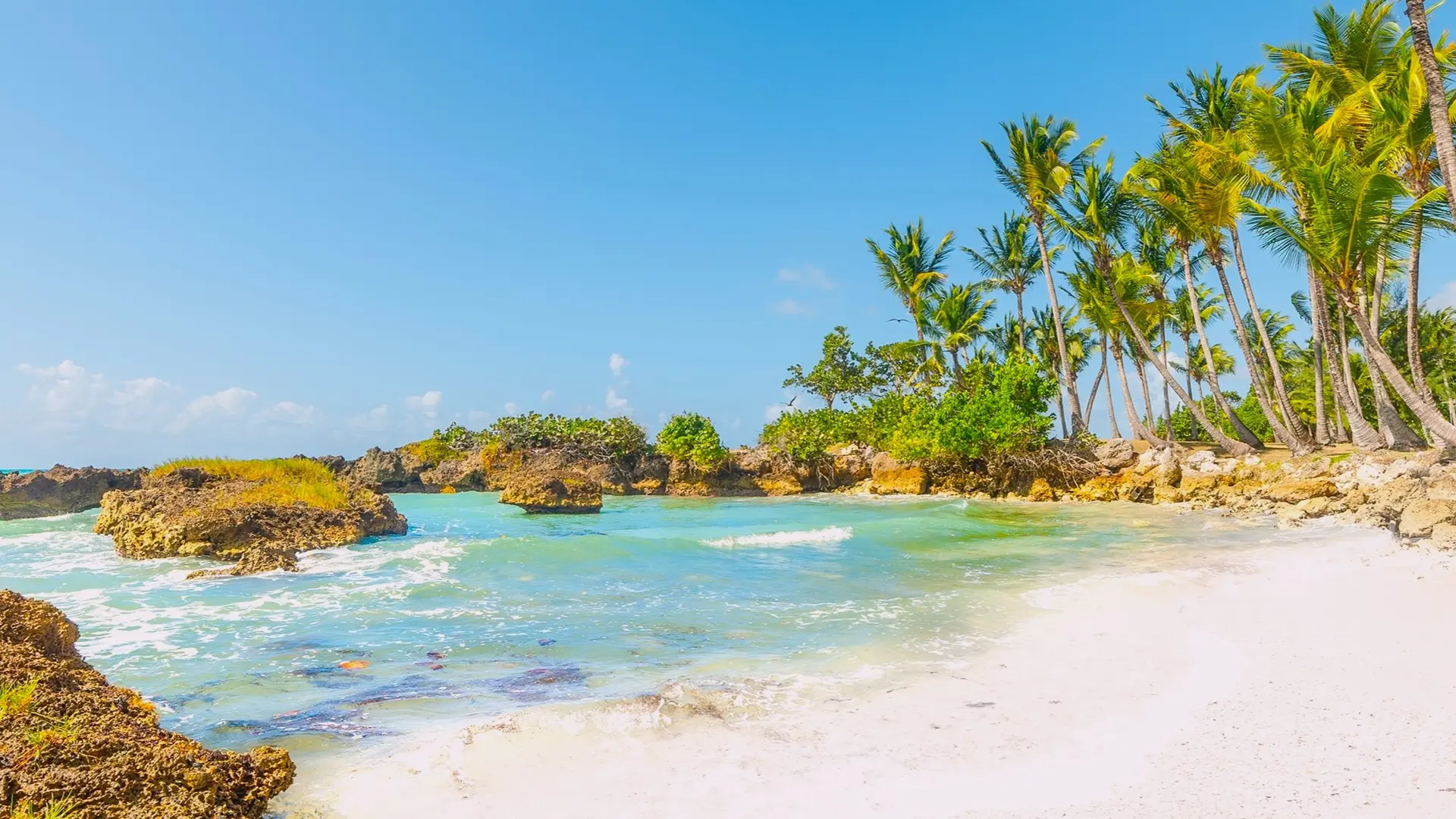
Sea & Beaches
Littoral, îles, sports nautiques
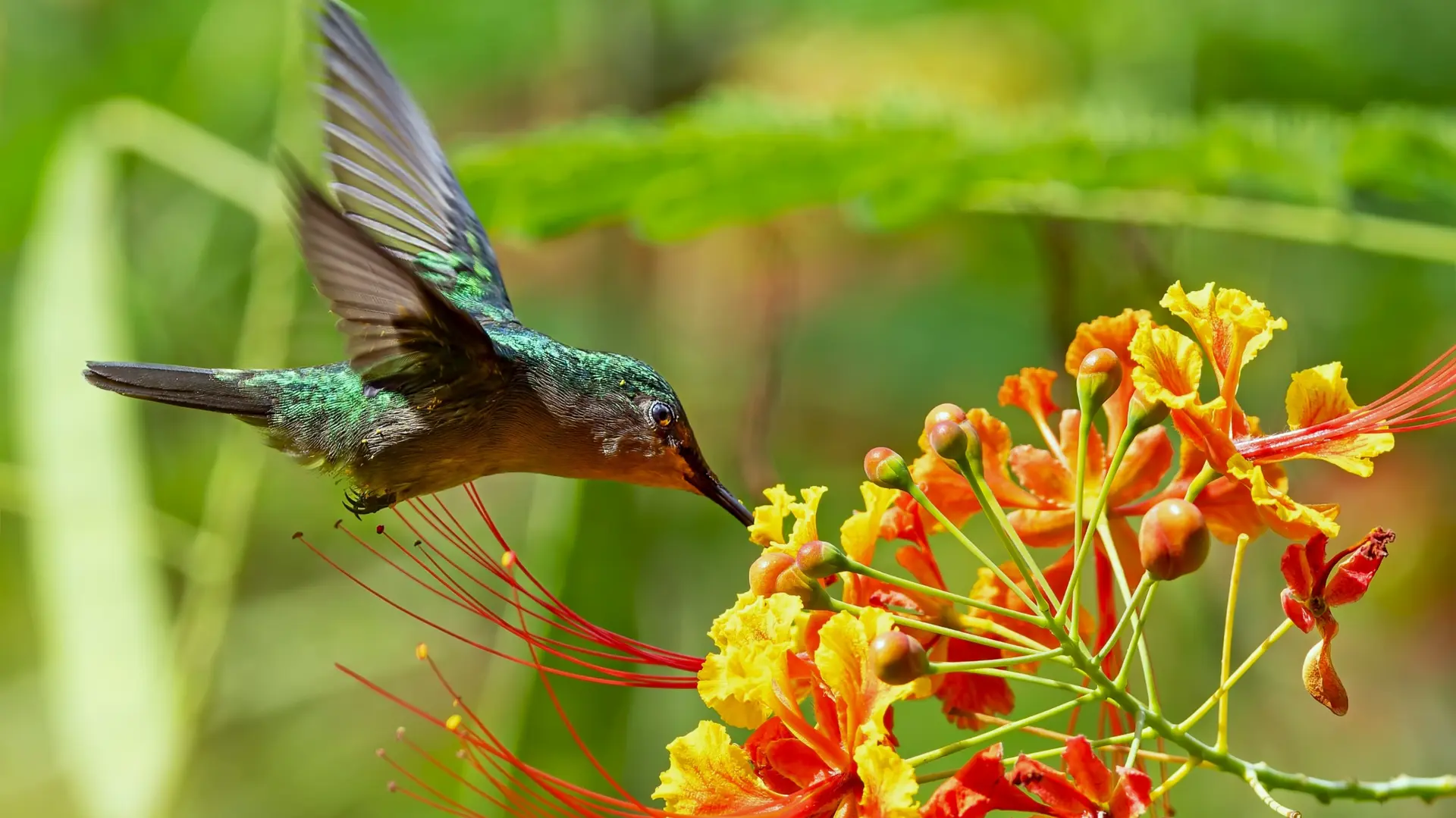
Wildlife & Biodiversity
Observation animale, sanctuaires, réserves
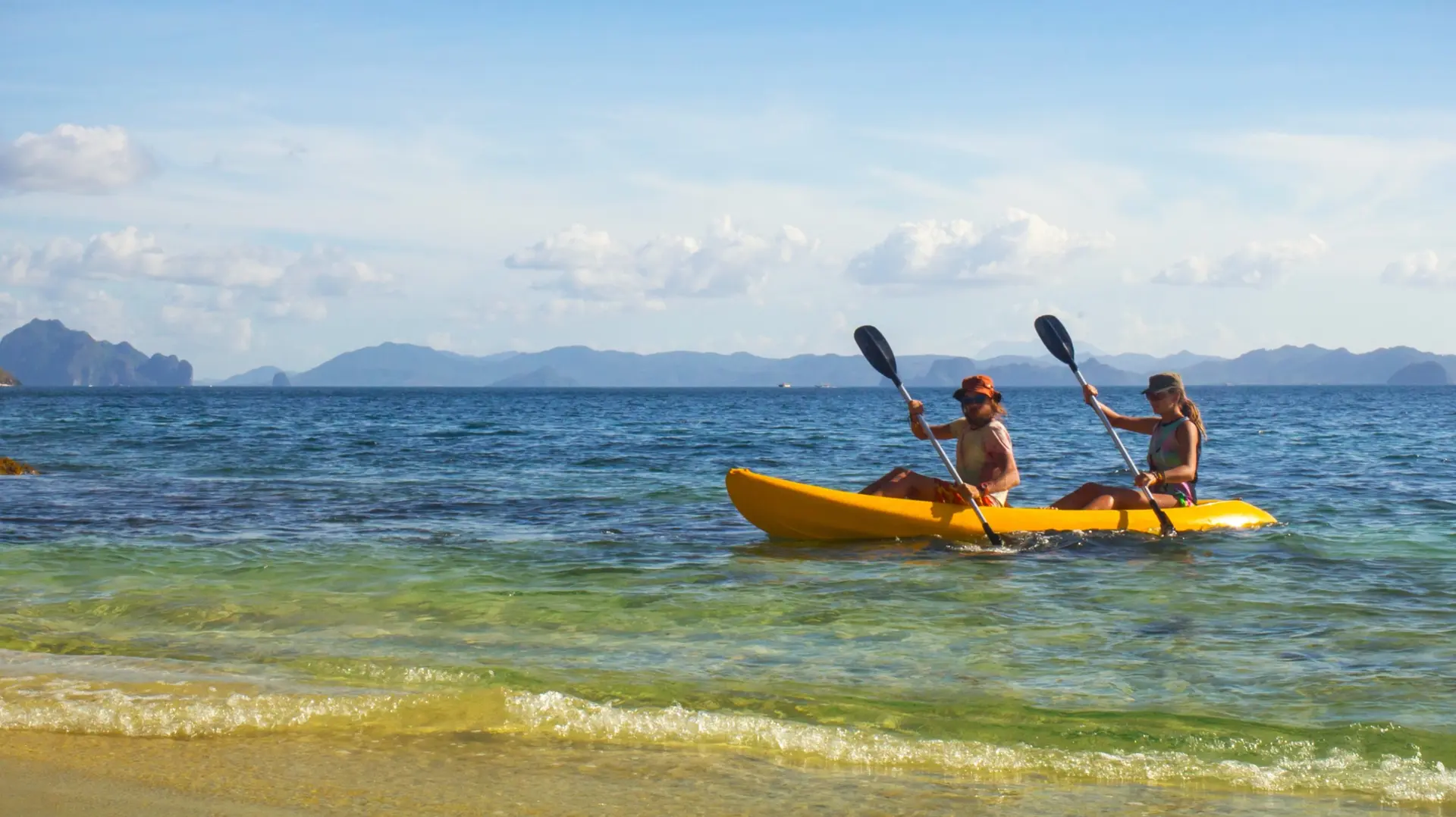
Activities & Adventure
Trek, kayak, escalade, sports outdoor
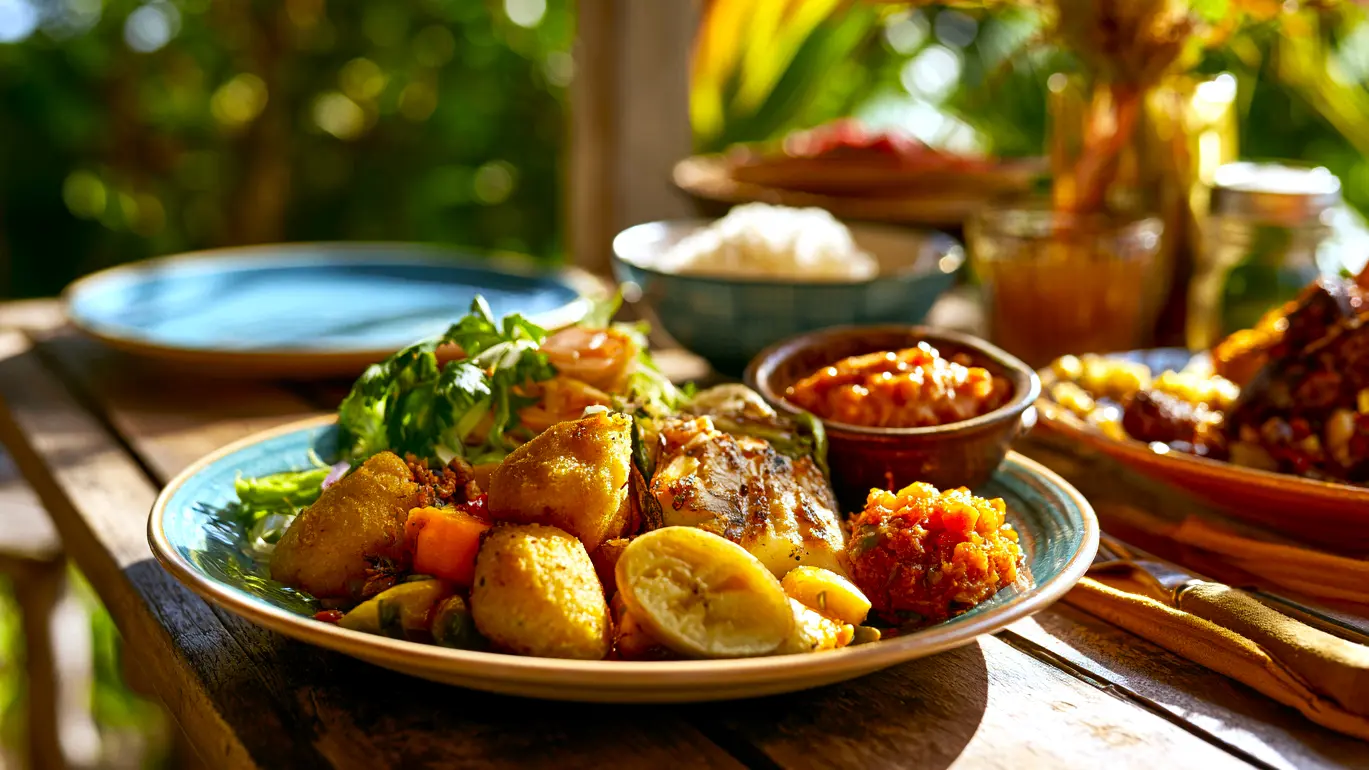
Gastronomy
Cuisine locale, marchés, cours de cuisine
We use cookies to improve your experience and measure our site's audience. You can choose what you accept. Learn more.