Sugarloaf Peak
Sugarloaf Peak
A volcanic peninsula rising 52 meters on Terre-de-Haut, Sugarloaf Peak combines a sheltered beach, basalt organ pipes, and a coral reef accessible by snorkeling.
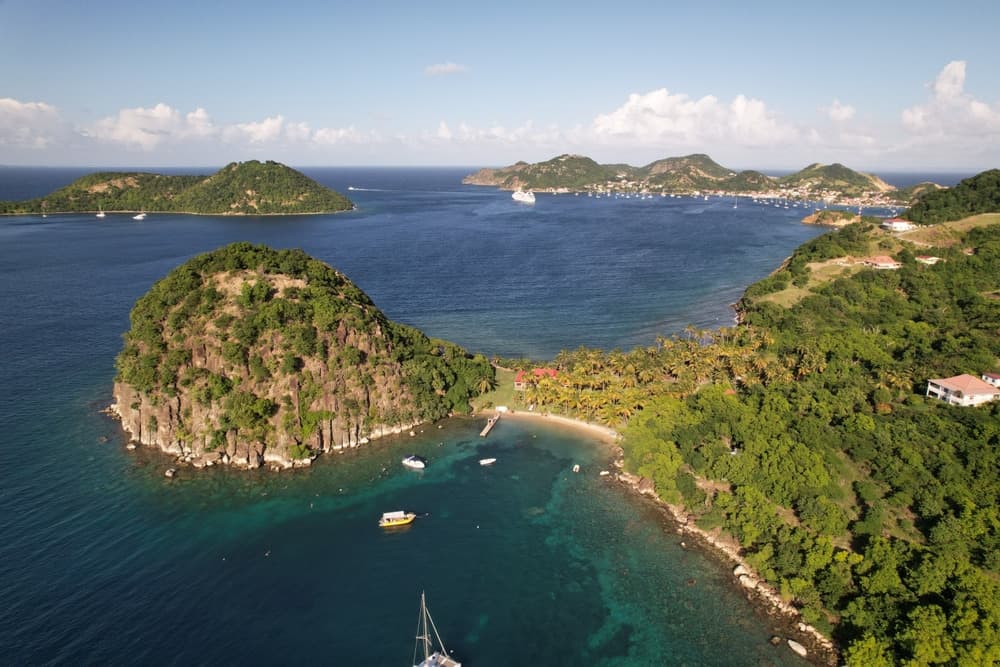
Sugarloaf Peak is a volcanic hill standing 52 meters high that forms a small peninsula on the western edge of Terre-de-Haut, in the Les Saintes archipelago. Its basalt organ-pipe walls plunge steeply into the sea and shelter one of the most frequented coves in Les Saintes for swimming and snorkeling. The site has been protected since 1930.
Why visit Sugarloaf Peak
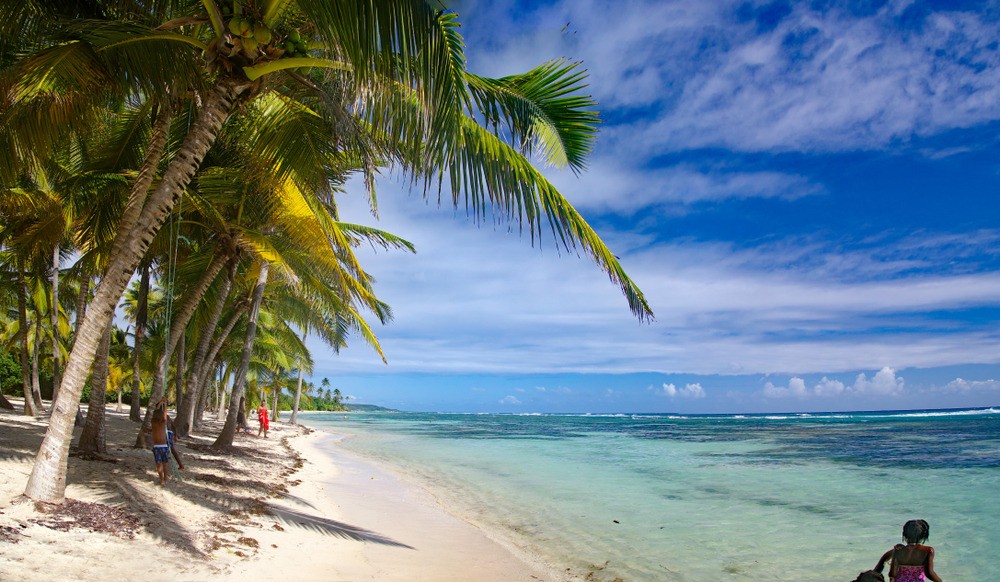
The location combines several attractions within a compact area. On land, you explore a volcanic peninsula with basalt walls, bordered by a golden sandy beach sheltered from the prevailing winds. At sea, a living coral reef extends just a few meters from the shore, accessible without a boat or technical equipment.
The cove nestles between Petite Anse and Anse Devant, away from the main town, which keeps crowds smaller than at the more central Terre-de-Haut beaches. The anchorage in Les Saintes bay also attracts passing sailboats, which stop for a quick swim.
History and geology
Sugarloaf Peak owes its name to its distinctive conical shape, typical of eroded volcanic landforms. The peninsula is made up of basalt organ pipes formed by the slow cooling of a lava flow, a geological phenomenon also visible on other volcanic islands throughout the Lesser Antilles.
The site has been protected as a natural reserve since 1930, making it one of the oldest protected spaces in the Guadeloupe archipelago. This status has preserved the rock formations, coastal vegetation, and surrounding reef. Les Saintes, of which Terre-de-Haut is part, is also included in the network of the World's Most Beautiful Bays.
What to see and do
The beach and peninsula
The beach occupies the curve between the coast and the peninsula. The sand is golden, the water shallow for the first few meters, and a few coconut trees provide shaded areas. On the peninsula itself, you'll encounter giant candle cacti and dry vegetation typical of the leeward coast, where several species of seabirds nest.
Snorkeling on the reef
The coral reef borders both ends of the cove. On the right point (toward the peninsula), you'll observe sea fans, sponges, butterfly fish, and blue surgeonfish. On the left, the drop-off hosts jacks and damselfish. You'll also spot feather-duster worms, several coral species, and spotted eagle rays. The water generally remains calm and clear, making the zone suitable even for beginner swimmers.
The viewpoint
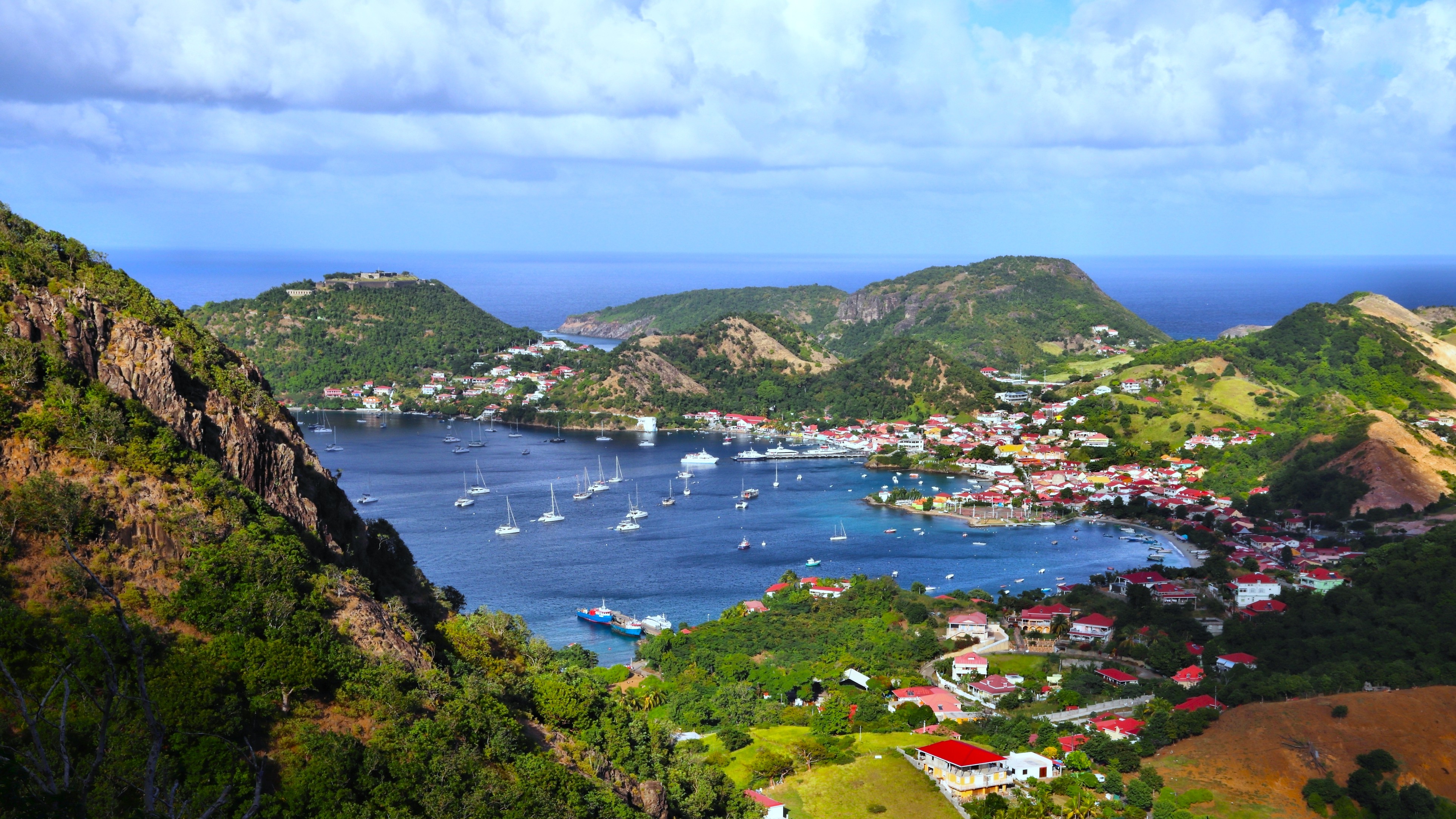
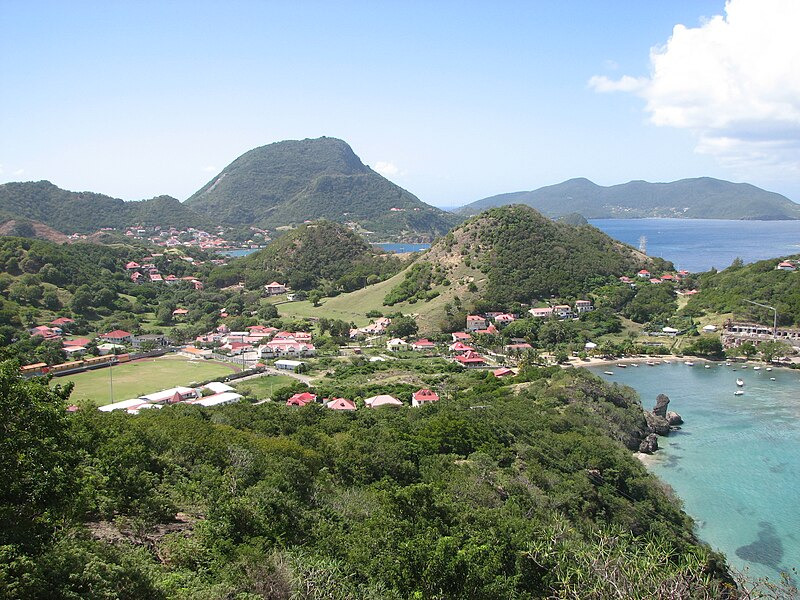
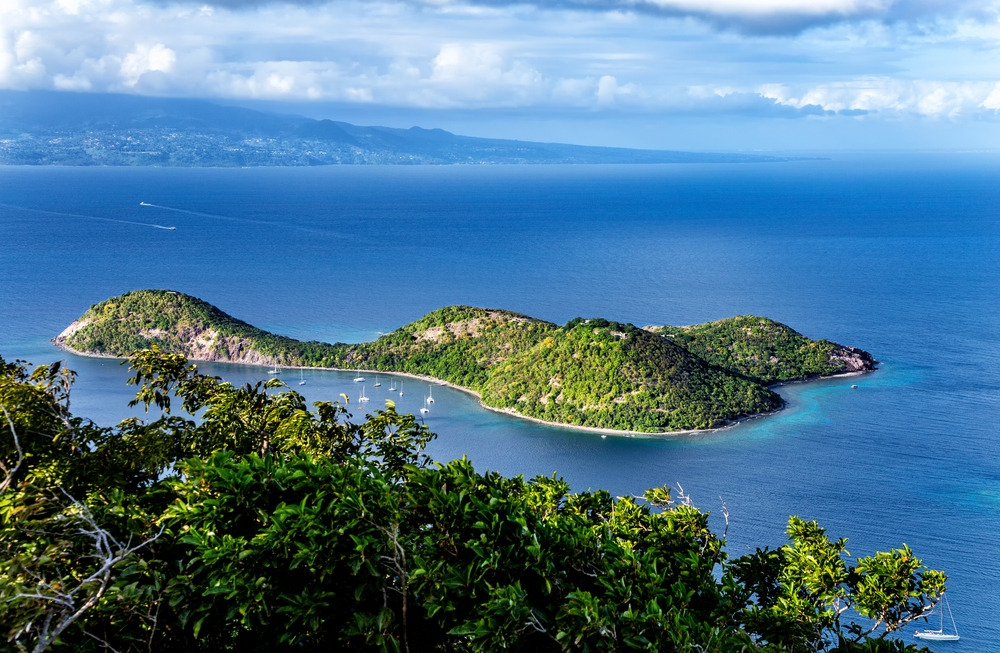
A trail leads to the heights of the peninsula, offering views across Les Saintes bay, Îlet à Cabrit, and Terre-de-Bas. Late afternoon, when sailboats are at anchor, is particularly rewarding for observation.
Practical information
- Free access, protected natural site
- No refreshment stands or equipment rentals on-site: bring water, mask, and snorkel from town
- Access trail is steep and rocky: closed-toe shoes recommended
- Limited natural shade beyond coconut trees: sun protection essential
- Do not touch or step on coral, which is living and fragile
When to visit
The dry season, from December to April, offers the best conditions: clear water, minimal swell, optimal visibility for snorkeling. The wet season (July to November) remains manageable but may bring cloudier water after rainy spells. For a peaceful experience, plan to visit early morning or late afternoon, outside the hours when tour boats unload their passengers.
How to get there
Terre-de-Haut is reached by ferry from Trois-Rivières, Pointe-à-Pitre, or Basse-Terre. Once on the island, two options to reach Sugarloaf Peak:
- On foot from Terre-de-Haut town: allow approximately 45 minutes on a marked trail that ends in a rocky descent.
- By two-wheeler or electric cart: follow the main road to the sign indicating the descent toward the beach, then finish on foot.
- By boat or catamaran: anchoring is possible directly in the cove, frequently offered as a day trip from Terre-de-Haut or mainland Guadeloupe.
Nearby attractions
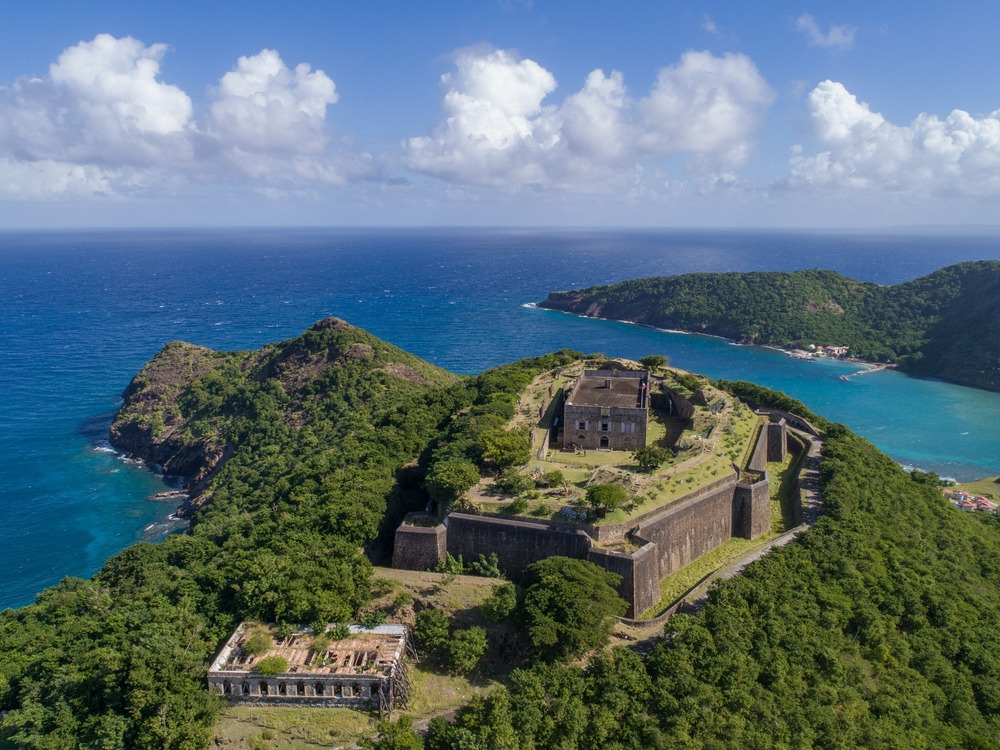
Sugarloaf Peak is part of a collection of sites accessible in a day trip on Terre-de-Haut. Petite Anse and Anse Devant immediately flank the peninsula. The town of Terre-de-Haut, with its Creole houses and Fort Napoléon, is the logical starting point. On the main island, La Grande Soufrière and Grande Anse beach round out a stay combining volcano, beaches, and islets.
Frequently asked questions
Frequently asked questions
Yes. The water is generally calm, shallow near the shore, and the reef lies just a few meters from the beach. No deep water or strong currents complicate exploration under normal conditions.
Plan for a half-day to combine the access walk, swimming, a snorkeling session, and the climb to the viewpoint. A full day is possible if you picnic on-site.
Yes. There are no rentals on-site. Shops in Terre-de-Haut town offer equipment for rent or purchase.
No, access to the beach and peninsula is free. Only the ferry to Terre-de-Haut carries a fee.
Yes, anchoring is permitted in the bay. Many catamarans and sailboats stop here for swimming.
Plan your trip
Sugarloaf Peak fits naturally into an itinerary combining Basse-Terre, Grande-Terre, and the Les Saintes archipelago. To build a customized journey including Terre-de-Haut and its natural sites, explore our Guadeloupe vacations.
Nearby
Interested in this visit?
We can include it in your personalised itinerary.