Climate in Guadeloupe
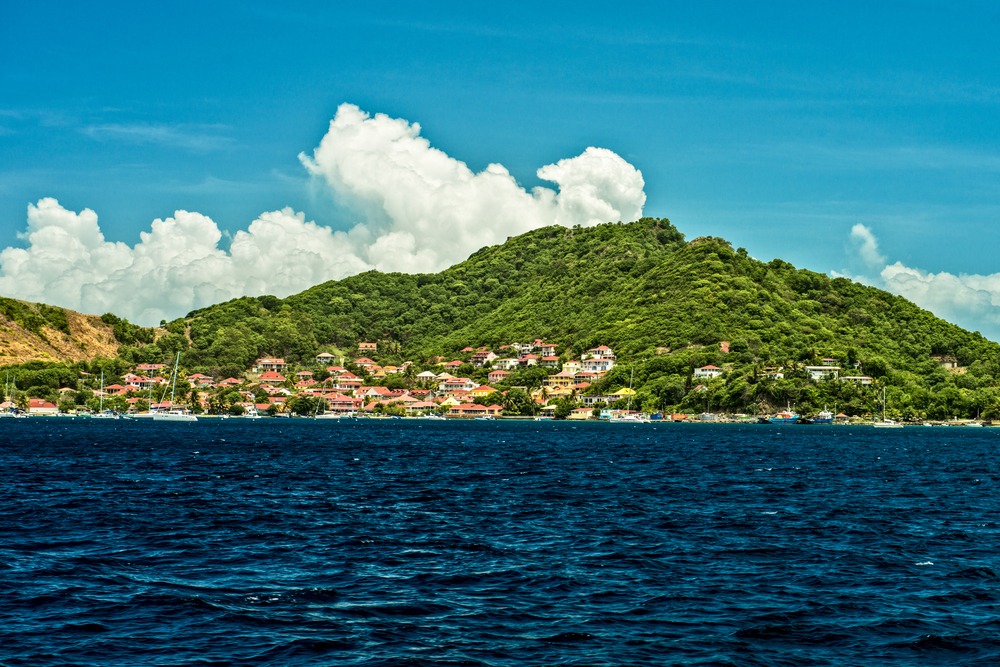
What a blessing! The climate in Guadeloupe is ideal for unforgettable summer vacations, with its tropical character bringing warmth and humidity year-round.
What a blessing! The climate in Guadeloupe is ideal for unforgettable summer vacations, as it is tropical in nature, warm and humid throughout the year.
The seasons
In Guadeloupe, two distinct seasons exist:
- The cool and dry season known as "carême" extends from December through April (sometimes June).
- The warm and humid season called "hivernage" spans from July to November.
Temperatures
During the dry season (December to April), temperatures hover between 22°C and 30°C with plentiful sunshine. During the warm and humid season (July to November), temperatures can reach 32°C. There is very little variation between the warmest months (June, July, August, September) and the coolest months (December, January, February, March).
Vacations in Guadeloupe mean beach swims with water temperatures ranging from 26°C to 28°C year-round.
Sunshine
Guadeloupe's beautiful sunshine is present throughout the year. It's also worth noting that in the Caribbean, the sun rises early, between 5:30 and 6:30 AM depending on daylight saving time, and sets earlier as well, around 5:30 to 6:30 PM.
Rainfall
The rainy season begins in May and extends through November, with monthly rainfall varying between 134 and 214 mm. From May to July, precipitation averages 107 to 134 mm. Starting in August, showers begin to fall more intensely across Guadeloupe, with precipitation ranging from 169 to 214 mm. October is the wettest month, and hurricane risk is elevated during this period.
This does not diminish the island's appeal as a tourist destination, which will enchant you with its attractions. You need not worry about visiting the country's points of interest during this humid season, as heavy rains typically occur only late in the day. You can freely enjoy the island's beaches and other tourist activities during daylight hours without a drop of rain.
Winds
During carême, the dry season, northeast trade winds blow regularly and moderate the heat. These are constant winds typical of tropical climates. However, during the warm and humid period or hivernage, these winds are rare, making the atmosphere heavier.
Climate hazards and natural risks
The hurricane season runs from June through November, with high probability of storms between August and October. It is characterized by violent winds and torrential rains. Beginning in June, preventive measures are implemented in Guadeloupe to ensure the safety of travelers and tourists.
The best time to visit Guadeloupe
Less hot and less rainy, carême or the dry season is the best time to visit Guadeloupe, between December and April. February is the busiest month in terms of tourist arrivals.
Climate variations by region
Guadeloupe's specific geography and the contrast between Basse-Terre and Grande-Terre influence climate differences across the islands.
Basse-Terre experiences an equatorial climate, meaning it is rainy year-round. Interior regions are more humid and wet, notably along the slopes of La Soufrière volcano, where tropical forest flourishes. When ascending the volcano's summit, warm clothing is advised, as the wind there is constant and cool.
The climate of Grande-Terre and its limestone plateaus is more tropical, thus drier. Noticeable differences do exist in certain regions. Areas at the extreme west, such as Pointe-à-Pitre, receive more rainfall than the eastern coasts, like Saint François. The northern part of Grande-Terre, however, is sunnier.
With less relief, Guadeloupe's small islands are characterized by less humid weather than Grande-Terre and Basse-Terre, with regular winds. Wind blows constantly, even during the humid period, offering visitors a fresher, more pleasant atmosphere.
While Guadeloupe's climate is favorable year-round, choose your vacation period wisely, along with the cities and places to visit. Proper planning will guarantee your satisfaction and memorable experience.