Sainte-Rose
Sainte-Rose, in Basse-Terre, opens onto the Grand Cul-de-Sac Marin and its coral islets. Between mangrove, Rum Museum and sea excursions, the commune offers an authentic Guadeloupe away from the beaten path.
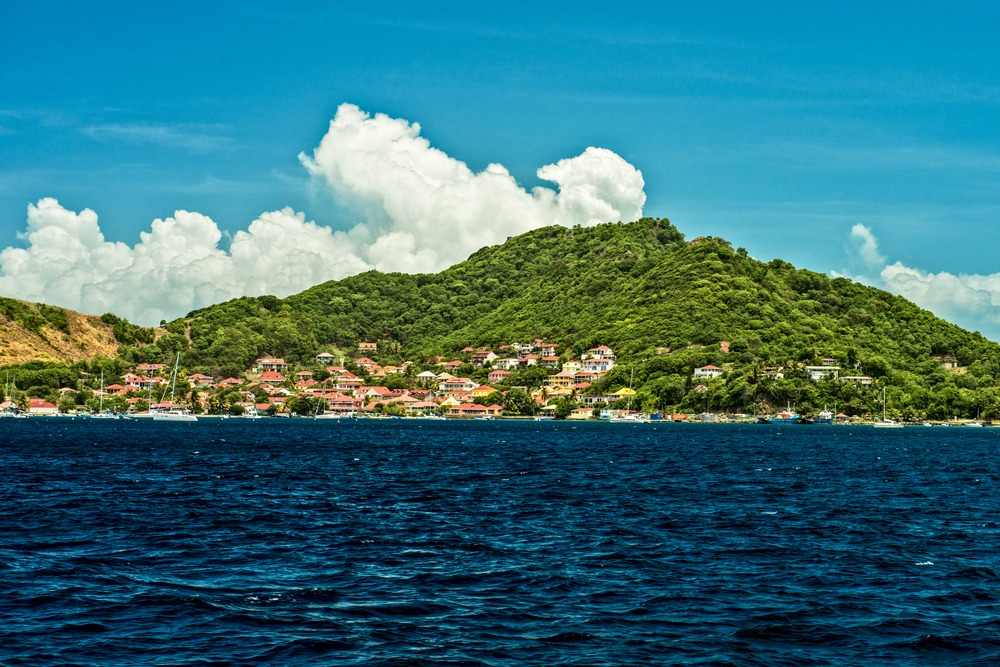
Sainte-Rose is a commune in the northwest of Basse-Terre, Guadeloupe. Bordered by the Caribbean Sea and backed by the foothills of tropical forest, it combines mangrove coastline, calm beaches and rural traditions. It is also a natural gateway to the islets of the Grand Cul-de-Sac Marin, designated a biosphere reserve by UNESCO. The town lives to the rhythm of fishing, sugar cane and discreet yet vibrant local craftsmanship.
Practical Information at a Glance
- Access: National Route 2 from Pointe-à-Pitre (approximately 35 km northwest) or from Basse-Terre via the leeward coast.
- Transport: Intercity bus network (Karulis) from Pointe-à-Pitre; a car is recommended to explore the surrounding area.
- Recommended duration: A full day to combine the town, beaches and a sea excursion.
- What to wear: Beach attire and shoes suitable for walking in mangrove if you visit the coastal trails.
What to See
The town of Sainte-Rose retains typical Creole architecture: shingled houses, wooden galleries and flower-filled gardens. The waterfront offers a direct view of the lagoon and surrounding islets. The mangrove bordering part of the shoreline is home to remarkable avian fauna — herons, pelicans and kingfishers are frequently spotted here.
The Rum Museum, housed in the former Reimonenq distillery, traces the history of sugar and rum production in Guadeloupe through a collection of stills, agricultural tools and period documents. Admission provides access to an attached botanical garden.
History and Context
Founded in the 17th century, Sainte-Rose developed around the sugar economy that shaped all of Basse-Terre. Large sugar plantations gradually gave way to smaller operations, but sugar cane remains present in the landscape. The commune was also marked by the eruption of La Soufrière in 1976, which prompted the evacuation of Basse-Terre and affected the local economy.
Highlights of Your Visit
Reimonenq Rum Museum
This private museum is one of the few in Guadeloupe to document the entire sugar-rum sector. The copper stills, ox-drawn carts and archival photographs provide a concrete understanding of the island's agricultural history. A tasting is typically offered at the end of the visit.
The Islets of Grand Cul-de-Sac Marin
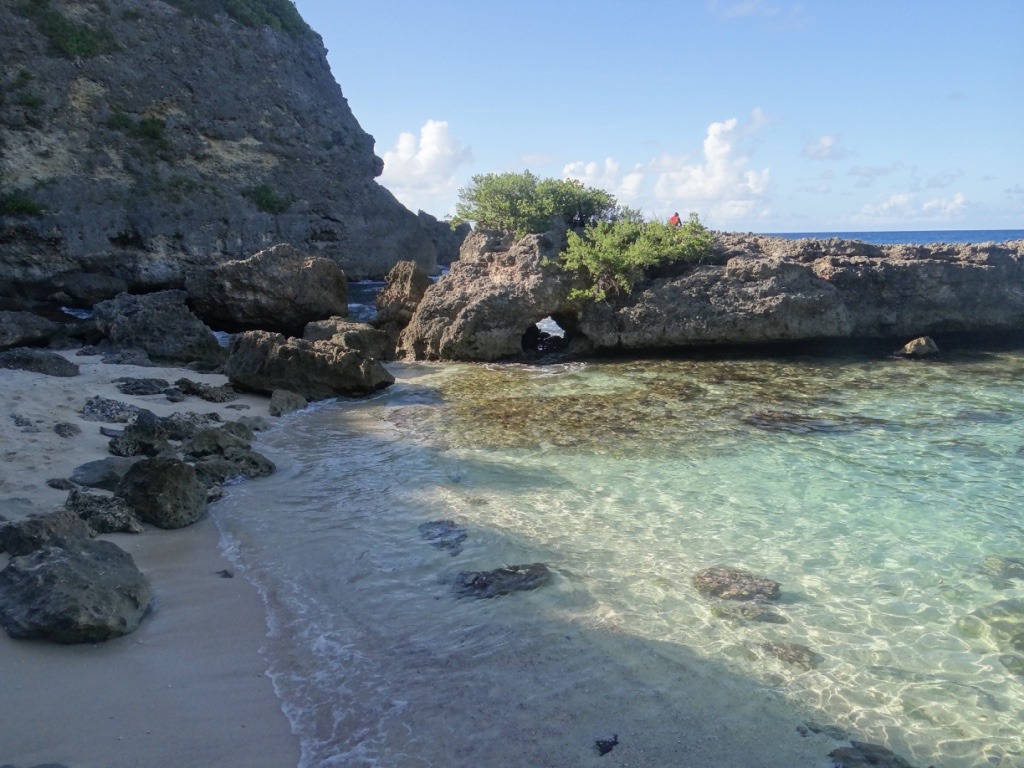
From the town or the port of Sainte-Rose, boat excursions allow you to reach the islets of Caret, Fajou or Christophe. These coral islets, protected by the natural reserve, offer shallow waters ideal for snorkeling. Islet Caret is particularly popular for its sea turtles.
The Mangrove and Lagoon
The Grand Cul-de-Sac Marin forms one of the largest lagoons in the Caribbean. The mangrove bordering it on the Sainte-Rose side can be explored by kayak or paddleboard. Some local operators offer guided tours to observe wildlife without disturbing the ecosystem.
Photography Tips
Morning light is ideal on the waterfront, before heat haze veils the horizon. For the islets, favor mid-morning: the sea is often calmer and raking light reveals the lagoon's colors. In the mangrove, a telephoto lens allows you to photograph birds without disturbing them.
Location and Access
Sainte-Rose is located on the northwest coast of Basse-Terre, approximately 35 km from Pointe-à-Pitre via Route 2. The road runs along the coast and passes through several towns including Lamentin. By car, allow approximately 40 minutes from Pôle Caraïbes airport. The town center is flat and walkable; mangrove trails, however, are not well suited for people with reduced mobility.
Nearby Attractions
- Deshaies — Fishing village to the north, known for its botanical garden and Grande Anse beach.
- Lamentin — Neighboring commune to the south, gateway to the interior of Basse-Terre.
- Grand Cul-de-Sac Marin Reserve — UNESCO biosphere reserve accessible from Sainte-Rose, between mangrove and coral reefs.
- Pointe-à-Pitre — Economic capital of Guadeloupe, approximately 35 km away, with the Mémorial ACTe and Saint-Antoine market.
Frequently asked questions
The dry season (Lent season), from January to June, offers the best conditions for sea excursions and snorkeling. The rainy season (July-November) brings frequent showers but vegetation is more lush.
Local operators offer boat outings from the town or port. It is advisable to book in advance during peak season. Some kayak rental companies also allow you to explore the mangrove independently.
Yes, the botanical garden attached to the museum interests children. The tasting section is reserved for adults, but the machinery and stills tour is accessible to all.
The immediate shoreline of the town is mainly occupied by mangrove. Sandy beaches are found nearby, notably towards Sofaïa or heading north towards Deshaies.
The town is accessible by bus from Pointe-à-Pitre, but a car remains essential to explore the surrounding beaches, mangrove trails and neighboring towns at your own pace.
Want to discover this destination?
Our local advisors design your tailor-made trip.