Trois-Rivières
Trois-Rivières
South of Basse-Terre, Trois-Rivières blends Arawak heritage, black sand beaches and a gateway to the Saintes. Our comprehensive guide to visiting it well.
Looking to escape, explore and discover local culture? Seeking an experience that immerses you in the region and its landscapes while offering moments of relaxation? Great news! Certain destinations combine stunning natural settings, authentic encounters and tranquil moments. This is what we invite you to discover through this guide. Ready for an adventure in Trois-Rivières? Let's go!
Its History
The name Trois-Rivières comes from the three rivers that flow through it: Grande Anse, the Petit Carbet river and the Trou du Chien river. The municipality boasts a rich past, marked by carved rocks that testify to the presence of the Amerindians. After the arrival of colonists in 1640, it quickly became a favored location for the Creole aristocracy, drawn by its fertile soil and abundant waters. Inhabitants cultivated manioc, yams, cotton, coffee and sugarcane, using water mills and animal-powered mills for sugar production. From 1865 onwards, banana cultivation took over. Today, crafts and tourism also contribute to the local economy. Vestiges from the colonial era, such as sugar mills, distilleries and slave dungeons, recall this period.
Trois-Rivières, an Adventure in the Heart of Caribbean Culture
Trois-Rivières is a municipality in Guadeloupe, located in the Basse-Terre region. It is part of the Basse-Terre urban area, which is home to nearly 50,000 inhabitants. The municipality is largely agricultural and extends across the slopes of the Madeleine massif, a small volcano reaching 971 meters.
Its inhabitants are called Trois-Rivierains. Thanks to the fertility of its soil and protective topography, the municipality was settled early on. Trois-Rivières is indeed the cradle of pre-Columbian civilization and is home to one of the most important collections of carved rocks in the Lesser Antilles, the Parc des Roches Gravées. This exceptional site brings together 22 petroglyphs and nearly 230 drawings dating from the 4th century A.D.
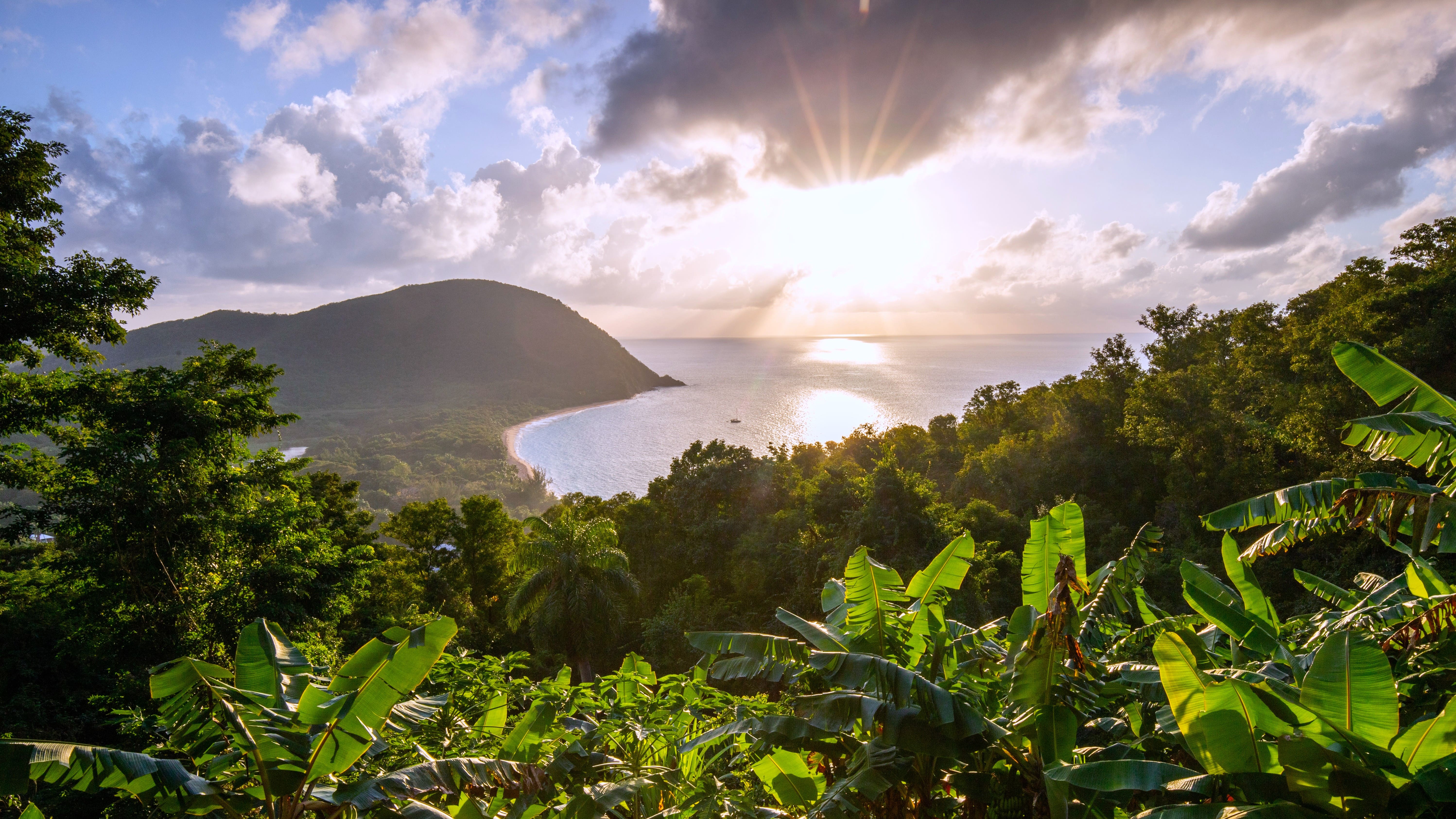
The municipality is full of historical remnants, notably pre-Columbian and architectural elements. The volcanic rocks scattered throughout the region are decorated with over 200 carvings. Located near the Soufrière volcano, Trois-Rivières is a true paradise for nature lovers and offers numerous hiking opportunities in its tropical forest.
Nearby, Grande Anse beach is a favorite spot for local surfers, with perfect waves for those seeking a more authentic experience. It is a place not to be confused with Deshaies beach, but equally unique for wave enthusiasts.
Locating Trois-Rivières?
The municipality of Trois-Rivières covers 31.1 km² and is located south of the island of Basse-Terre. It borders Capesterre-Belle-Eau to the east, Vieux-Fort to the southwest and Gourbeyre to the northwest. The territory extends from the Atlantic coast, at the eastern mouth of the Saintes Channel, to the summit of Citerne, at 1,155 meters altitude. Situated at the foothills of the Soufrière, its coastline borders the Caribbean Sea and offers a view of the Saintes islands.
What to See?
The archaeological park of carved rocks
If you are a history and nature enthusiast, take your rental car and set out to discover the archaeological park of Roches Gravées. Stroll through its one-hectare tropical garden and admire its 230 mysterious carvings. Classified as a Historic Monument in 1974, this exceptional site has welcomed the public since June 28, 1975. Created by the Arawaks around the years 300-400, these carvings remain enigmatic to historians even today.
Grande Anse Beach
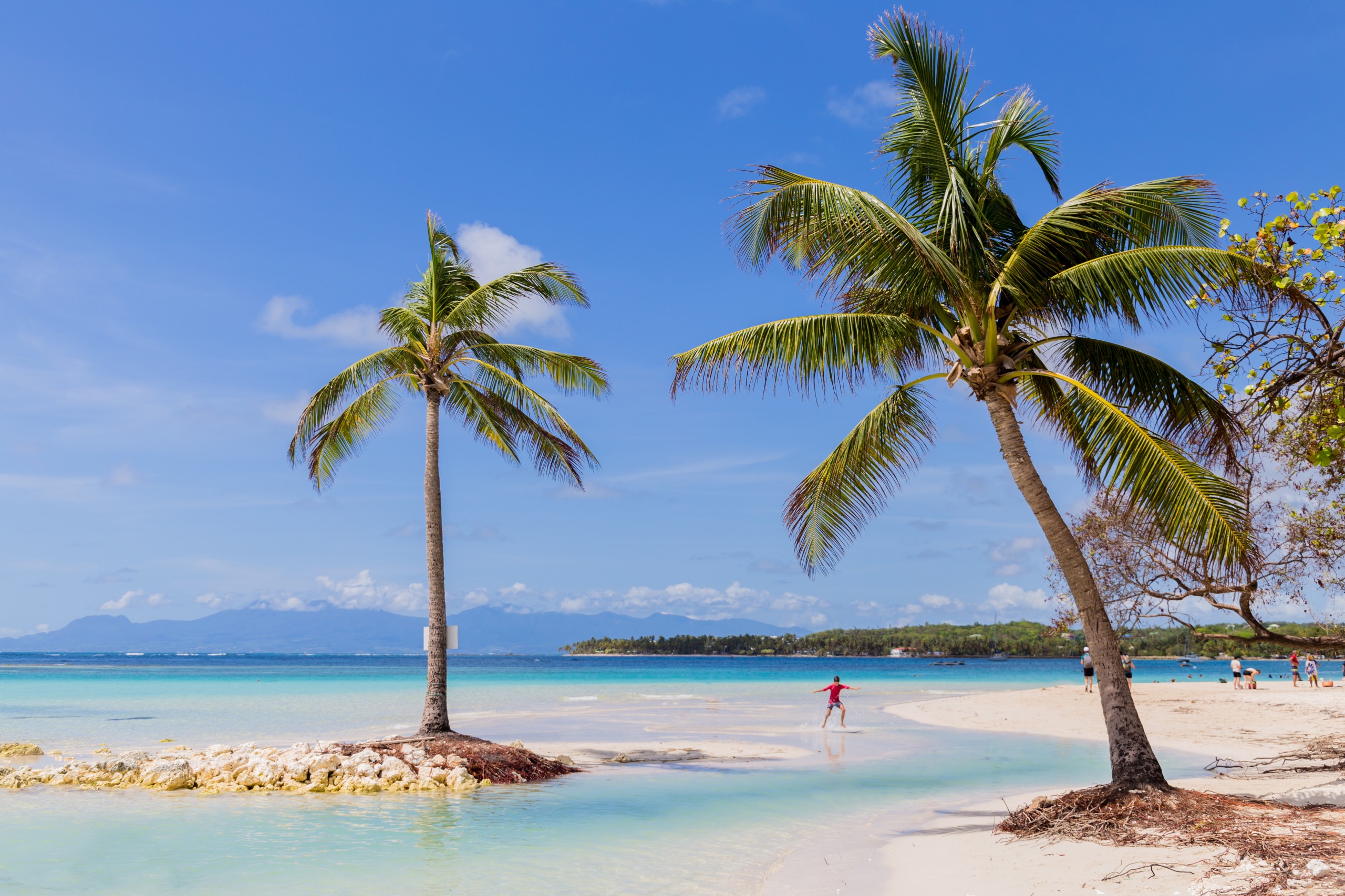
Need a beach break? Meet us at Grande Anse beach. Enjoy its black sand, bordered by coconut palms, and a panoramic view of the Saintes archipelago. The waves and often rough sea make it a favorite spot for surfers. You may also have the chance to observe sea turtles coming ashore to lay their eggs on the beach.
Belmont
Belmont is a former sugar estate located near Trois-Rivières. You can observe the remains of a water mill and an aqueduct. It's an opportunity to learn more about Guadeloupe's past. You will also discover the lives of enslaved people and the economic stakes of sugarcane cultivation.
The Trois-Rivières Quay
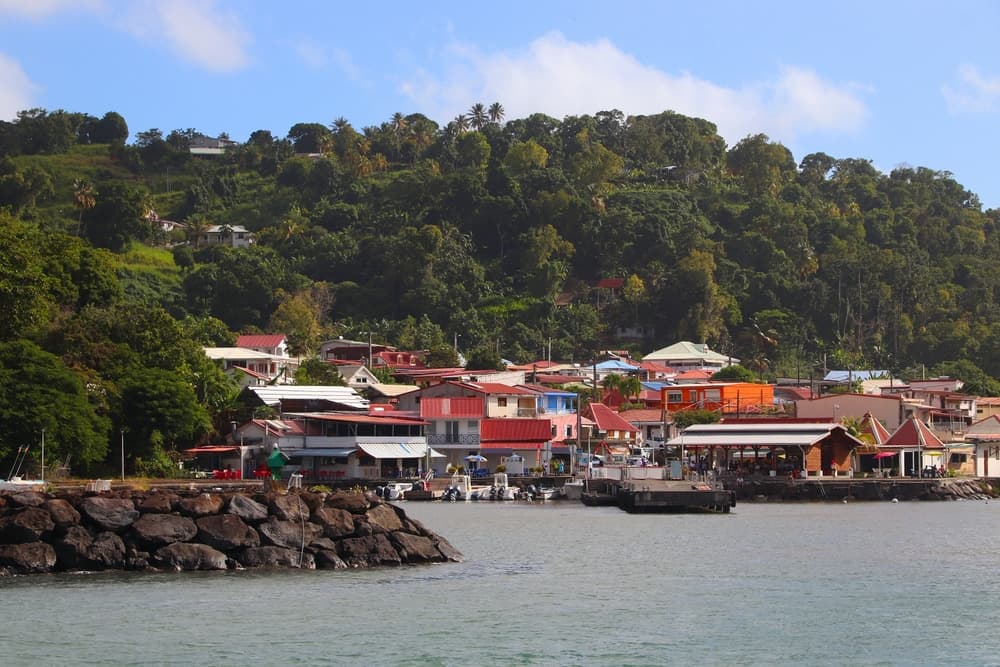
If you're looking for a nice day excursion, head to the Trois-Rivières Quay to board a boat to the Saintes. This volcanic archipelago is a perfect spot for a stop during your stay. Its hills, beaches and crystal-clear waters create a pleasant setting to relax, whether you're alone or with others.
The Banana House
During your stay in Trois-Rivières, take a detour to the Maison de la Banane, located in the heart of a vast banana plantation. It's the ideal place to learn all about this delicious fruit: its history, cultivation, harvest and numerous varieties. Accompanied by a guide, you will spend nearly 2 hours exploring this fascinating world. Why not take the opportunity to taste a few?
The Grande Pointe Trail
Set out to discover the Grande Pointe trail, a hike that immerses you in history. Allow 3 to 5 hours of round-trip walking to enjoy this excursion. Along the way, you'll make several stops to admire an old windmill, the remnants of a sugar mill and a gunpowder magazine.
Throughout your walk, try to spot carved stones hidden along the trail. Some are located near a freshwater spring. Beyond its historical character, this hike will introduce you to magnificent vegetation. You'll have the opportunity to explore varied landscapes, with flowers, fig trees, a river to cross and a small waterfall.
What's the Weather Like?
Trois-Rivières enjoys a tropical climate, marked by pleasant temperatures thanks to its location on the windward coast. Abundant rainfall feeds the municipality's three waterways. On average, annual precipitation ranges from 2,500 mm in the lowlands to 12,000 mm at the summit of Soufrière.
The Best Time to Visit Trois-Rivières
The maximum temperature in Trois-Rivières averages 28°C throughout the year, varying between 27°C in February and 30°C in September. Annual precipitation is 1,856 mm, with a minimum of 71 mm in March and a maximum of 248 mm in August. The climate is favorable for visiting Trois-Rivières from January to June and in December, with particularly pleasant conditions in March. Water temperature remains suitable for swimming year-round.
Want to discover this destination?
Our local advisors design your tailor-made trip.