Sainte-Anne
Sainte-Anne
White sand beaches, a charming Creole town, night markets and the Mémorial Nèg Mawon: everything you need to know to visit Sainte-Anne, Guadeloupe.
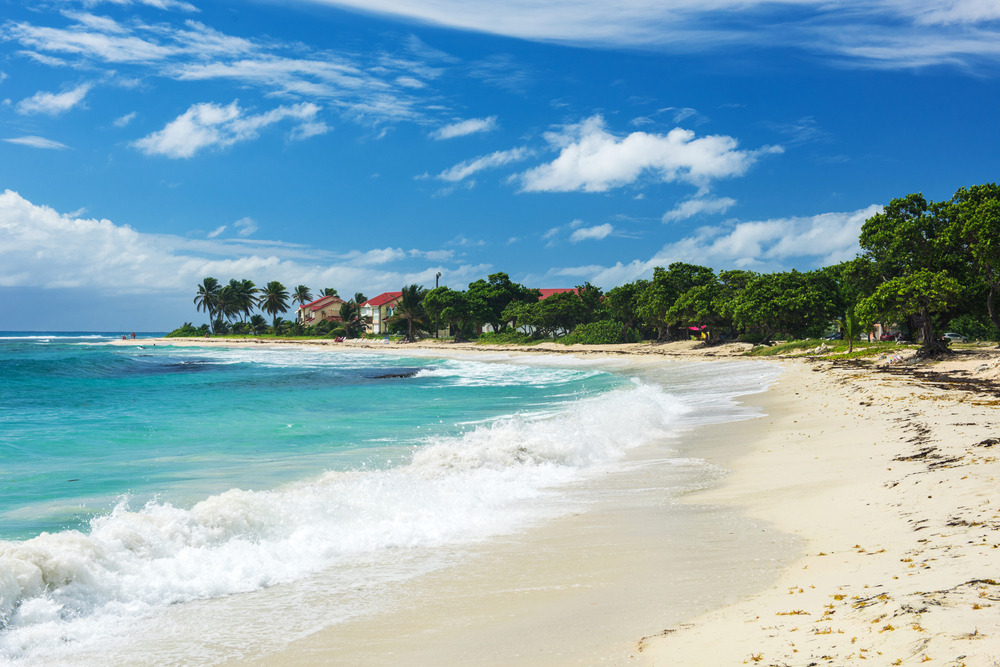
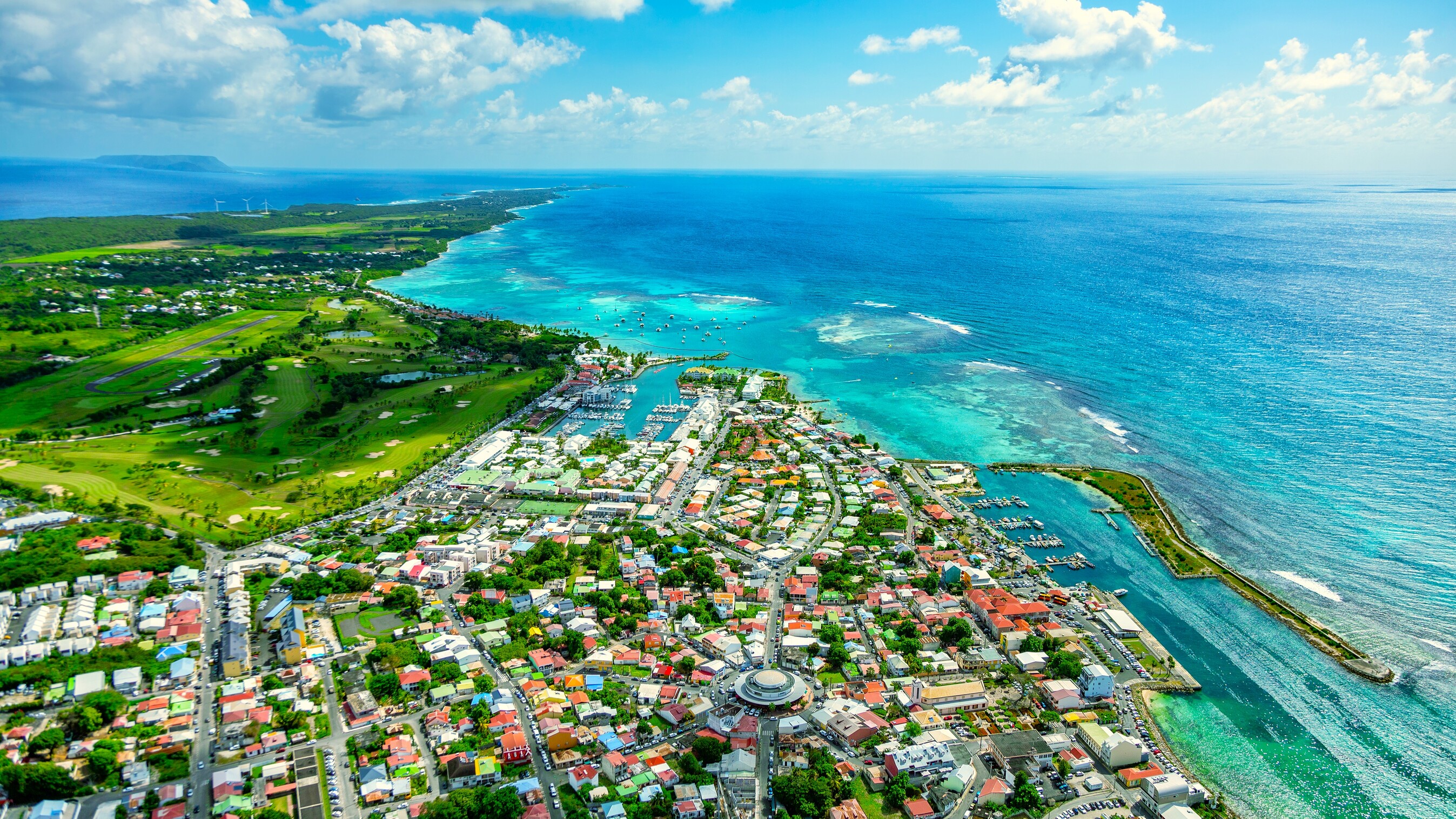
Situated on the southern coast of Grande-Terre, Sainte-Anne is one of Guadeloupe's most coveted destinations. With its white sand beaches lined with coconut palms, colorful markets and an atmosphere that blends festive energy with authentic charm, it embodies the postcard-perfect image of Guadeloupe. Yet beneath this dreamlike setting lies a more intimate side—a Creole town where culture, traditions and warm hospitality shape daily life.
Where is Sainte-Anne Located?
Nestled between the towns of Le Gosier and Saint-François, Sainte-Anne stretches along the Atlantic coast between Pointe du Morne Jacques and Pointe du Helleux. The municipality covers an area of 80.3 km² (8,090 hectares).
History
Sainte-Anne's story begins in 1967 with the establishment of its parish by Capuchin monks. Originally a simple fishing village, the settlement gradually developed around a chapel, built on the site of the present-day church.
By the 18th century, thriving sugar and rum production and export transformed Sainte-Anne into a strategic commercial hub and seat of the Grande-Terre Admiralty. However, in 1759, during the Seven Years' War, the town was destroyed by the English, causing it to lose its status as the regional capital to Pointe-à-Pitre.
Between 1794 and 1802, following the abolition of slavery by the National Convention, Sainte-Anne was briefly renamed "Fraternité" before reclaiming its original name. The town only received its municipal administration in the late 1830s, specifically in 1837.
From the mid-19th century through the early 20th century, Sainte-Anne became a major sugar production hub. Between 1870 and 1940, the municipality boasted up to 34 sugar factories—the highest concentration of sugarcane processing facilities in all of Guadeloupe. This flourishing activity was accompanied by mounting social tensions, particularly during the sugar crisis, which sparked a major economic shift.
Starting in the 1960s, facing the decline of the sugar industry, the municipality pivoted toward a new calling: seaside tourism. The construction of beachfront hotels in the 1970s marked the beginning of this transformation, capitalizing on its natural assets: white sand beaches, turquoise lagoons protected by coral reefs, and an active fishing port.
Today, Sainte-Anne stands as a premier tourism destination in Guadeloupe, celebrated for its rich history, sugar heritage, its role in the struggle against slavery, and beaches among the archipelago's finest. Behind its postcard-perfect scenery lies a town steeped in history—shaped by social struggles, profound transformations and a remarkable capacity to reinvent itself.
What to See and Do in Sainte-Anne?
Explore the Beaches of Sainte-Anne
Plage du Bourg (Town Beach)
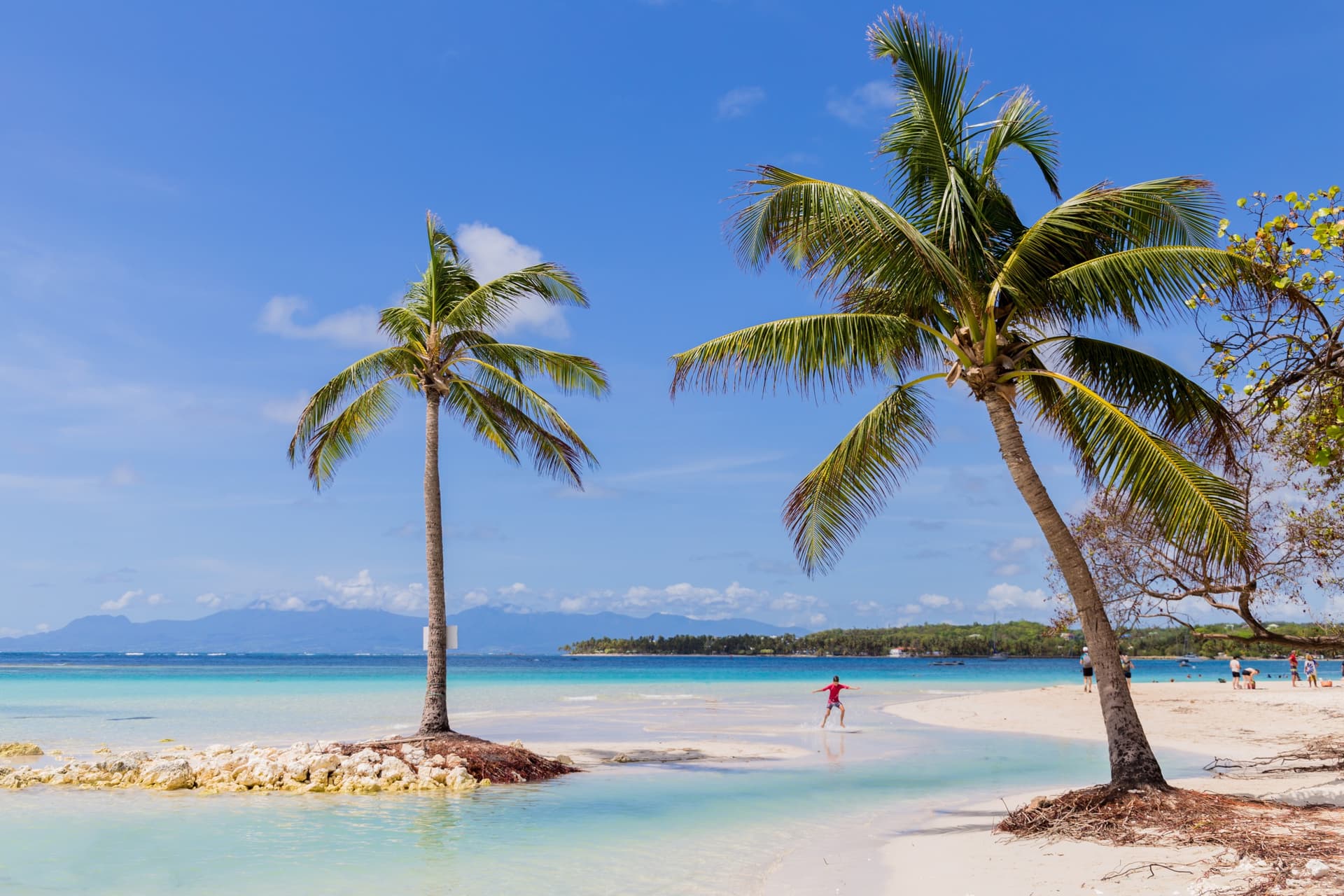
Located in the heart of the town center, this expansive family-friendly beach is sheltered by a shallow lagoon, perfect for children. Lively and well-appointed, it's lined with restaurants, food trucks and street vendors, with a daily market featuring tropical fruits, vegetables, spices and local crafts. The beach is illuminated until midnight, ideal for starlit evenings. You'll also find water sports activities and the Karaib Rider's Park aquatic course (1,300 m² of inflatable fun).
Plage de la Caravelle (Caravelle Beach)
An iconic Guadeloupe destination, this beach is renowned for its powdery white sand, swaying coconut palms and crystalline waters. Located near Club Med, it remains accessible to the public via a path from RN4. It's the perfect spot for windsurfing, snorkeling or simply lounging in the sun. Highly sought after, arrive early to enjoy this idyllic setting undisturbed.
Plage de Bois Jolan (Bois Jolan Beach)
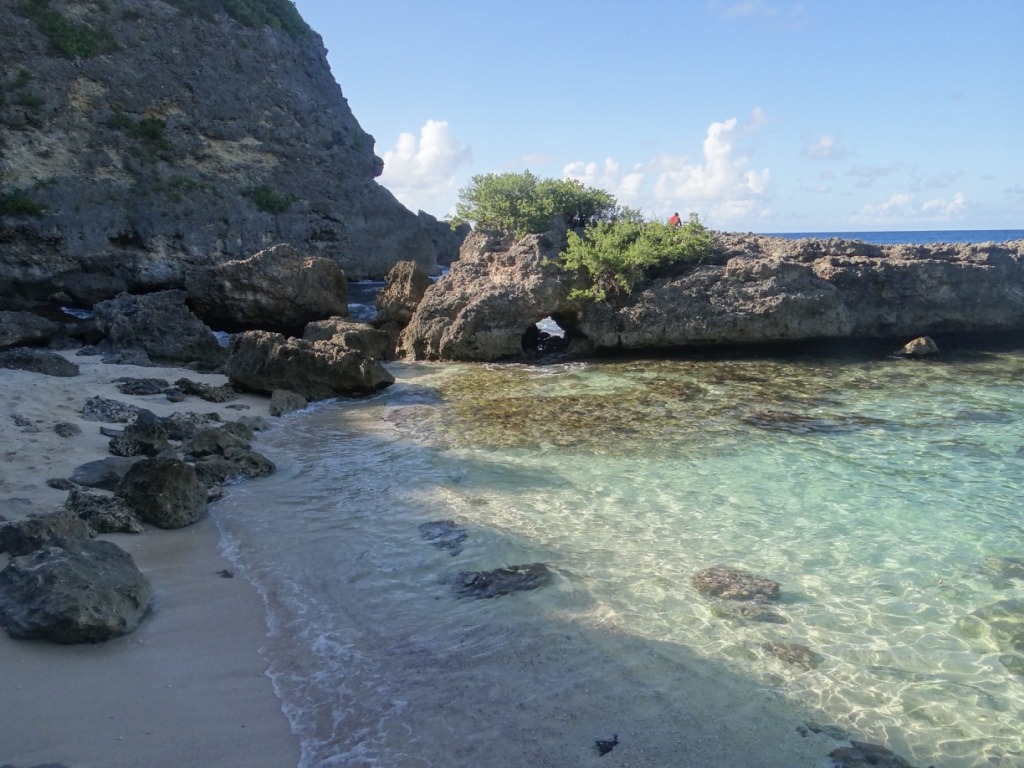
Just 2 km from town center, Bois Jolan offers a wild and peaceful atmosphere, bordered by sea grape trees and mangroves. It's ideal for families, picnicking, swimming in calm lagoon waters or snorkeling in shallow depths. Protected by the Conservatoire du littoral, it features discreet amenities (shelters, boardwalks, parking).
Plage de Gros Sable (Gros Sable Beach or Anse du Helleux)
East of Sainte-Anne in the Helleux district, this more adventurous beach is a popular surf spot known for consistent waves. While unpatrolled, it offers magnificent scenery for wave riders and landscape photographers.
Water Sports for Every Taste
Thanks to its protected lagoon, Sainte-Anne is the ideal destination for:
- Snorkeling in tropical seagrass beds
- Windsurfing or kitesurfing, thanks to steady trade winds
- Paddleboarding and kayaking for peaceful coastal exploration
- Scuba diving, suited to both beginners and experienced divers
- Jet skiing, catamaran sailing, traditional sailing or even paddleboard yoga
Beaches are typically equipped with water sports clubs where you can rent equipment or book excursions.
Discover Local Heritage
Notre-Dame de Sainte-Anne Church
Situated on Place Schœlcher, this church was rebuilt in 1933 by Ali Tur, the architect behind post-hurricane reconstruction efforts. It features Art Deco styling, and its light-filled nave is a striking example of tropical reinforced concrete architecture. Adjacent to it, the rectory and its garden evoke the peaceful atmosphere of yesteryear.
Mémorial Nèg Mawon
Inaugurated in 2002, this poignant memorial honors the Maroon slaves—those who escaped bondage. Created by Jocelyn Pezeron and local youth, it also commemorates the 1802 uprising against Napoleon's reinstatement of slavery.
Historical Landmarks
Although the city was largely destroyed by the English in the 18th century, several emblematic sites remain:
- Bust of Victor Schœlcher
- War Memorial (1949) by Gilbert Privat
- Habitation-sucrerie Gissac (a classified windmill)
- Former prison, Durivage gallodrome, Courcelles factory
Visit Local Markets
Marché du Bourg (Town Market)
Facing the beach, this daily market immerses you in a world of colors, aromas and flavors: artisanal punches, coconut sorbets, vanilla, spices, rums, jams, tropical fruits, plus jewelry, textiles, wooden objects and local creations. The atmosphere is warm, authentic and vibrant.
Marché Nocturne de Valette (Valette Night Market)
Every Thursday evening from 6 p.m. onward, beside the municipal stadium, this market offers a festive and culinary experience set to zouk rhythms. It's the perfect spot for an immersive evening discovering Creole cuisine and local artisans.
Village Artisanal (Artisan Village)
A true treasure trove, this convivial space brings together workshops, boutiques and artisan stands. You'll find beach clothing, handmade jewelry, spiced rum, decorative objects and more—with live demonstrations of local craftsmanship.
Experience Gwo Ka and Léwoz
Gwo Ka, traditional music played on two drums, is Guadeloupe's musical soul. Recognized as UNESCO Intangible Cultural Heritage, it's performed, sung and danced during Léwoz evenings, open to all. In Sainte-Anne, don't miss the annual Léwoz festival, held each July at the Galbas port, and catch spontaneous performances in the town square.
Karukera Land
Just minutes from downtown, Karukera Land park is a genuine playground for all ages:
- Treetop courses and water slides
- Trampolines, mini-golf, Creole garden
- Animals (peacocks, goats, ponies…)
- Inflatable games and picnic areas
The park is open Wednesday through Sunday (10 a.m. to 5 p.m.), with an on-site restaurant.
Walks and Excursions
Countless walks and excursions await you in Sainte-Anne:
- Coastal footpath linking town center to Bois Jolan, winding through beaches, mangroves and seascapes
- Boat excursions to Petite-Terre, the Fajou Nature Reserve or islets of the Grand Cul-de-Sac Marin
- Hiking Morne Caduc or a stroll around the Digue Reservoir to spot local flora and birdlife
- Saint-François international golf course, 20 minutes away, for sport with ocean views
Sainte-Anne is 25 km from Pointe-à-Pitre Airport—roughly 30 to 40 minutes by car via National Route 4. Car rental is highly recommended to explore the region at your own pace. For those preferring not to drive, taxis are available at the airport, though they're a pricier option.
Karulis buses also connect Pointe-à-Pitre to Sainte-Anne. While more economical, public transport networks are limited and schedules can be unpredictable.
Want to discover this destination?
Our local advisors design your tailor-made trip.