Port-Louis
Port-Louis
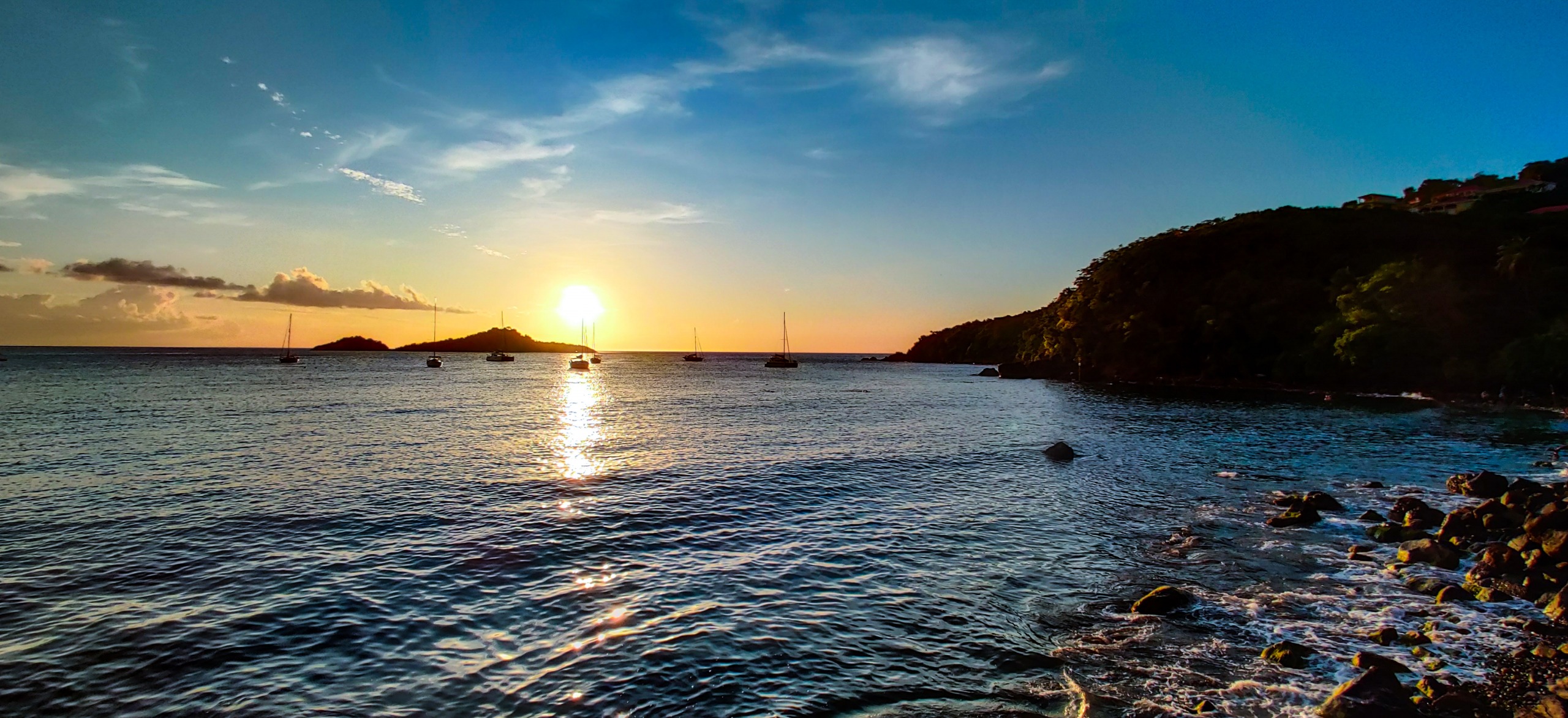
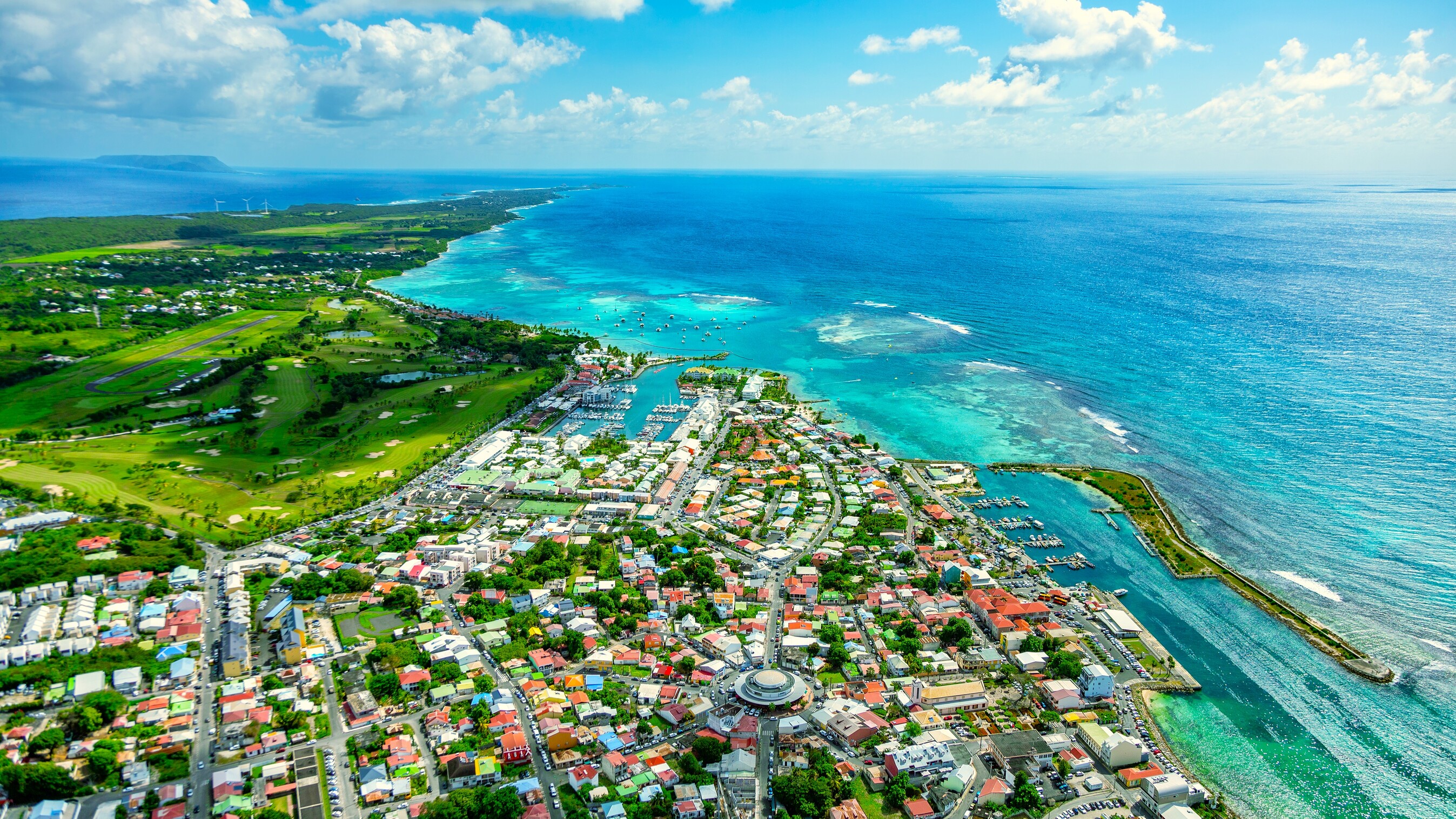
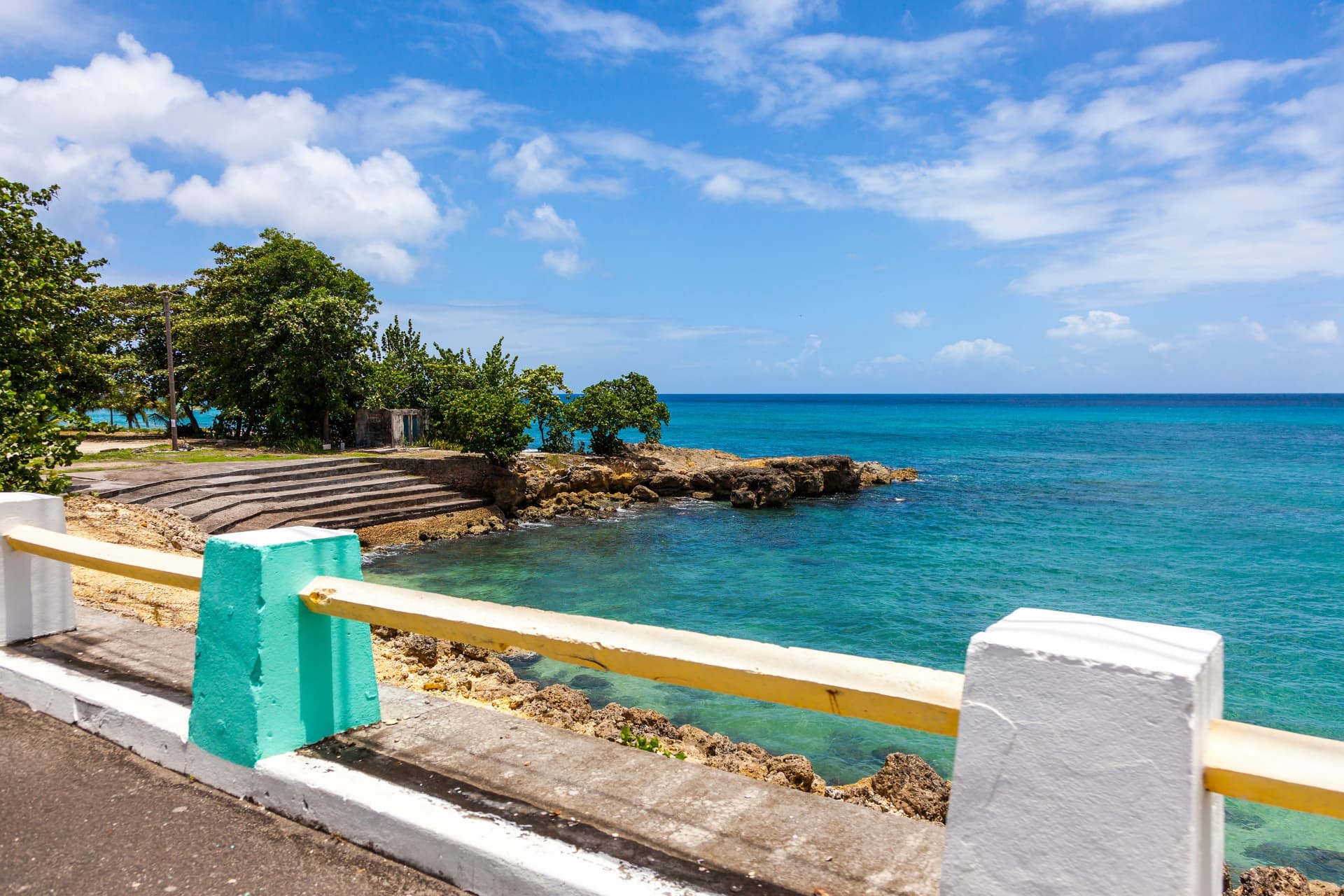
Off the beaten path, Port-Louis reveals turquoise lagoons, sugary heritage, and wild beaches in the northwest of Grande-Terre.
Off the beaten path, Port-Louis reveals a rare charm, between turquoise lagoons and memories of a sugary past. A former fishing village cradled by the Atlantic, this tranquil town stretches between wild beaches and endless cane fields. Here, no crowds or noisy resorts, but an authentic Guadeloupe, warm and rooted in its traditions. Port-Louis captivates travelers seeking calm, genuine encounters, and pristine landscapes.
Location and Geographic Characteristics
Nestled in the northwest of Grande-Terre, Port-Louis is a French commune in the Guadeloupe department. It spans approximately 44 km², between Atlantic coastline, agricultural lands, and natural spaces. Its landscape is marked by the presence of Lake Gaschet, a vast freshwater reservoir whose waters flow toward the Caribbean Sea via Gaschet ravine, contributing to the region's ecological richness.
History
Port-Louis was colonized from the mid-17th century onward. Originally named Pointe d'Antigues, it was renamed Port-Louis in honor of Louis XIV, before being briefly renamed Port-Libre during the French Revolution. It recovered its current name in the 19th century.
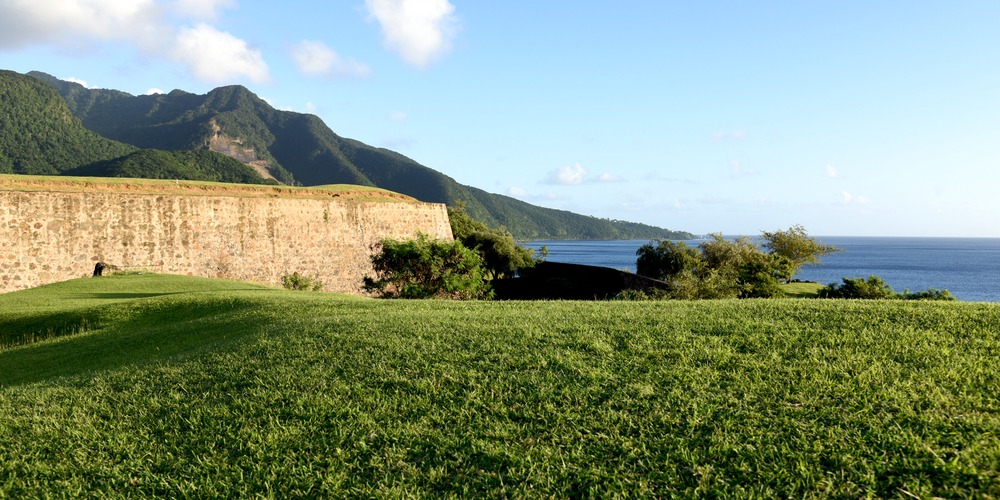
From the early 18th century, Port-Louis became one of the first sugar ports in Guadeloupe, but was gradually overshadowed by Le Moule, then Pointe-à-Pitre. By 1817, the commune produced only sugar: 28 manufacturing facilities were in operation, including 26 refineries and numerous mills. Its protected anchorage, though difficult to access due to reefs, remained useful for coastal trade. A 1732 plan already mentions an organized town, with church, presbytery, and fortifications.
The Beauport estate played a central role: in 1863, Auguste Sonques transformed the family sugar works into a modern refinery, which would become one of the most powerful in the French Antilles. Port-Louis, however, was struck by disasters: an earthquake in 1843, cholera and drought the same year.
In the 20th century, mayor Jacques Edwige (elected in 1925) modernized the town and supported workers at Beauport, particularly during the 1937 strikes. After World War II, the refinery diversified its activities (livestock, dairy), making Port-Louis a regional agricultural and industrial hub. But from the 1950s onward, production declined. Beauport closed in 1990, marking a turning point: the commune reoriented toward coastal fishing and beach tourism, while preserving sugarcane as an agricultural cornerstone.
Today, Port-Louis keeps this sugar heritage alive through its built heritage, landscapes, and the Beauport museum, a testament to a rich past.
What to Do and See in Port-Louis?
Unwind at Anse du Souffleur
Souffleur Beach is arguably the most emblematic of Port-Louis. Lined with sea grape trees and shaded shelters, it offers a long stretch of white sand bathed by calm turquoise waters, ideal for swimming, snorkeling, or simply relaxing. Its name comes from the sound of wind that "blows" between the trees and rocks.
It is a true place of life: Creole food trucks, coconut sorbet vendors, small mobile shops, and picnic areas attracting families and travelers. On site, a water sports center offers jet skis, inflatable rides, paddleboarding, and flyboarding.
Note that on weekdays, the atmosphere is tranquil. On the other hand, on weekends, the beach is very crowded and parking becomes paid.
Diving, Snorkeling and Marine Life
Port-Louis's coastal zone is a small underwater paradise, accessible even to beginners. From the first few meters, the seabed reveals:
- Seagrass beds
- Coral reefs
- Schools of tropical fish
- Sea turtles
- Rays
Local clubs take you to explore:
- Natural arches
- Shipwrecks
- Coral caves
- Night dive sites in the Grand Cul-de-Sac marin.
Surfing and Waves at Pointe d'Antigues
North of the municipality, Pointe d'Antigues beach is a favorite spot among surfers, with beautiful waves crashing against the reefs. The site is also popular for fishing and photography, with its clear views of Basse-Terre and the Caribbean horizon.
The famous "surgeon's wave," dreaded by novices, attracts the more experienced. But you don't need to be a surfer to enjoy this wild place, perfect for a walk or a contemplative pause.
Explore the Mangrove of Port-Louis
Just steps from Souffleur Beach, a wooden boardwalk crosses a pristine mangrove, populated by mangrove trees, fiddler crabs (Leptuca pugilator), and seabirds. You can discover it:
- On foot, via a marked trail
- By kayak or paddleboard, to glide close to the wildlife
- By sea mountain bike, for an unusual version.
This outing can be extended to Pointe des Mangles or Pointe d'Antigues, with views of the Grand Cul-de-Sac marin islets.
Hike Along the Coast to Anse-Bertrand
Feel like walking between sea and nature? The coastal path between Port-Louis and Anse Bertrand offers an accessible hike (7 to 11 km), with minimal elevation gain. On the itinerary:
- Departure from Souffleur Beach, near the cemetery
- Passage through the mangrove and Pointe des Mangles
- Secret beaches: Anse Lavolvaine, Anse Fontaine, Anse Colas
- Spectacular ocean viewpoints
- Possible encounters with fiddler crabs and traditional fishermen.
You should plan 3 to 4 hours of walking or arrange a shuttle for the return trip.
Visit the Maison de la Canne at Beauport
Located in a former sugar refinery founded in 1863, the Maison de la Canne at Beauport is today a vibrant cultural center. By tourist train, discover:
- The history of sugar in Guadeloupe
- Former rails used for transporting cane
- Educational workshops, exhibitions, concerts, and literary gatherings
- A treetop course or treasure hunts for children.
The visit lasts approximately 50 minutes, blending historical transmission with family entertainment.
Discover the Marine Cemetery
Facing the ocean, Port-Louis's marine cemetery is a simple and moving place. Its white tombs decorated with shells or surrounded by zinc tell the story of families of sailors and farmers who shaped the village. A place of contemplation as much as memory, it also marks the starting point for many walks toward the coast.
Stroll Through Downtown
Port-Louis's downtown is crossed by a long straight street, lined with low-rise houses with retro style. Its tranquil atmosphere and antique streetlamps give it particular charm. You will also see:
- Notre-Dame de la Visitation Church
- The World War I memorial
- A few shops, markets, and stalls.
Historical anecdote: in 1943, Port-Louis residents attacked the Vichy police station, affirming their commitment to freedom and self-determination.
Rent a Boat to Explore the Region
From Port-Louis's fishing port, you can rent a boat (with or without skipper) to spend the day discovering the treasures of Grand Cul-de-Sac marin:
- Îlet Caret, a sandbank edged with translucent water
- Îlet La Biche, an aquatic paradise
- Îlet Fajou, a natural reserve
- Îlet Blanc, wild and unspoiled.
Located between Petit-Canal and Anse Bertrand, the Port-Louis municipality is approximately 45 minutes' drive from Pointe-à-Pitre airport and 20 minutes from Sainte-Rose. Although buses serve Port-Louis from Pointe-à-Pitre or Morne-à-l'Eau, schedules are often irregular and inconvenient for travelers. To fully enjoy the region and explore the surroundings with complete freedom, renting a vehicle remains the most recommended option.
Want to discover this destination?
Our local advisors design your tailor-made trip.