Le Moule
Le Moule
On the Atlantic coast of Grande-Terre, Le Moule blends world-class surfing, sugar heritage, and lively night markets. Your essential guide to visiting this charming Caribbean town.
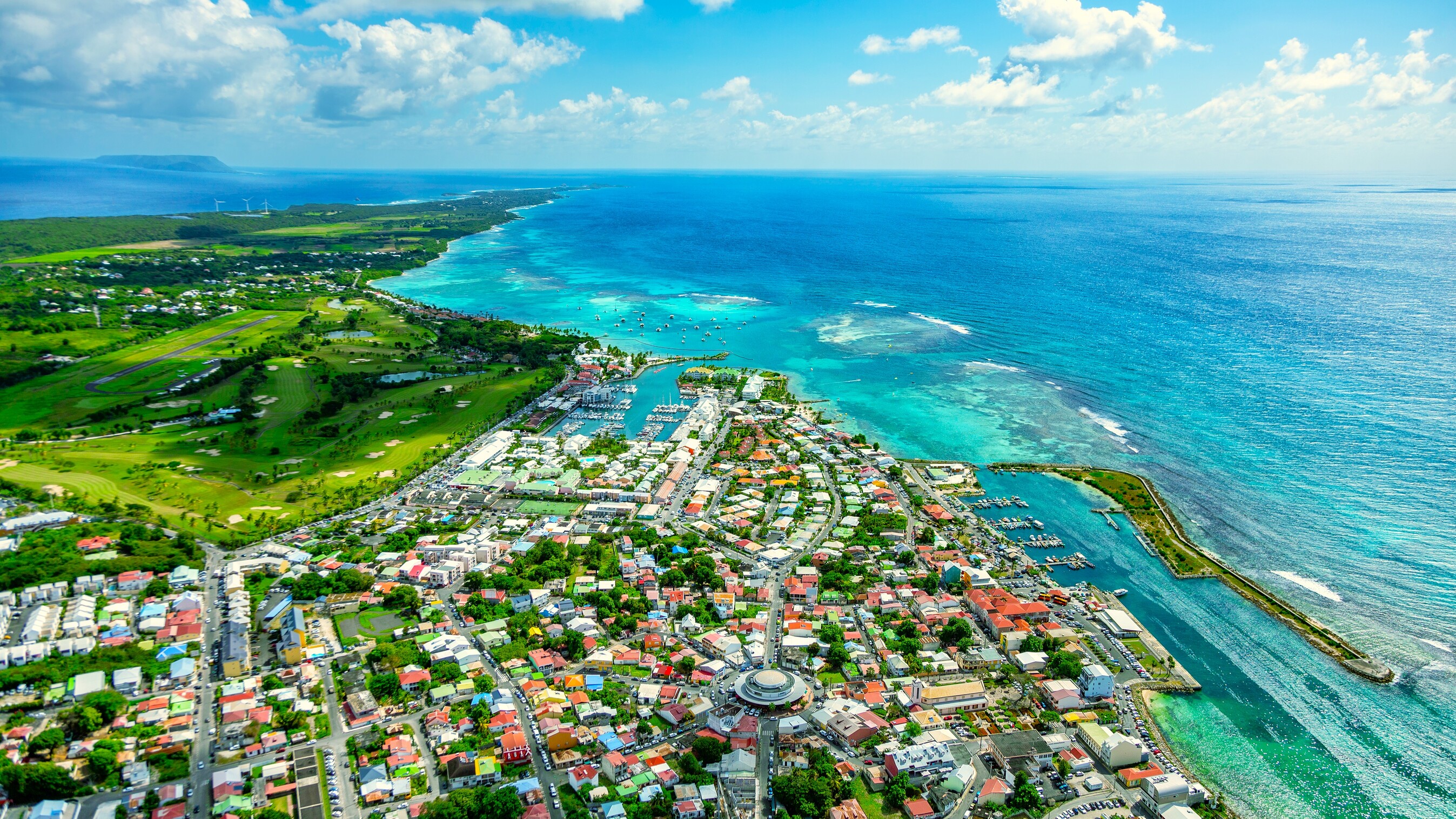
Set slightly apart from the main tourist hubs along Grande-Terre's southern shore, the charming town of Le Moule continues to captivate visitors with its distinctive character. This enchanting destination, nestled along the Atlantic Ocean, offers numerous fascinating sites to explore during your stay in the Guadeloupe archipelago.
A Glimpse into the Town's History
From the 5th to 3rd century BC, Amerindian populations settled along these shores, having migrated from South America via the Orinoco Delta. Today, various historical sites throughout the town still yield abundant remnants from pre-Columbian civilizations. Around 1635, the settlement of Le Moule, originally called Portland, was established on the right bank of the Audouin River, at a location now known as "l'autre bord." After Guadeloupe was ceded to France in 1960, certain Caribbean tribes were forced to leave the area.
As a stronghold of imperial aristocracy, the town relocated to the left bank of the river to facilitate commerce, leading to the construction of a port on the Atlantic with a protective mole. This structure gave rise to the town's current name. Subsequently, Le Moule's commercial port became the archipelago's most important, serving as the export hub for sugar and rum bound for mainland France.
A remarkable naval battle at the port's entrance in 1809, fought between English and French forces, stands as a significant event in both the town's and the entire archipelago's history. Le Moule experienced economic decline in the 1850s following the abolition of slavery and diminishing harvests. Since 1961, census data has documented the locality's substantial demographic growth.
Essential Sites to Explore
Architectural Gems
During your memorable stay in Le Moule, take time to stroll through the town and admire its distinctive architecture. Start with the town hall, which enchants visitors with its eclectic style. Don't miss Saint-Jean-Baptiste Church, a fascinating historical monument featuring a neoclassical façade and elegant Ionic columns. In the southern part of town, you'll discover Habitation Zévallos, a beautiful colonial residence similar to the one housing the Saint-John Perse Museum in Pointe-à-Pitre.
Industrial Heritage
Continuing your exploration, Damoiseau Distillery is well worth a visit. Renowned for its agricultural rum, this establishment offers an opportunity to observe the secrets of production through informative displays. You can also tour Guadeloupe's largest sugar factory, Gardel Works.
Cultural Sites
To immerse yourself in Amerindian civilizations, visit the Edgar Clec Archaeological Museum. This impressive cultural site features a stunning park adorned with royal palms and showcases remarkable artifacts discovered throughout the town and region. Among its collections, you'll find unique pre-Columbian objects, including ceramics, stone tools, shell artifacts, and much more.
Within the town itself, you can explore the old fort and cannon battery, which once protected the city from attacks by English naval forces.
Le Moule's night market, held every Wednesday around 4 PM, is not to be missed during your visit. Here you'll find fresh local produce—an array of fruits and vegetables—and the perfect opportunity to sample authentic local specialties.
Beach Destinations
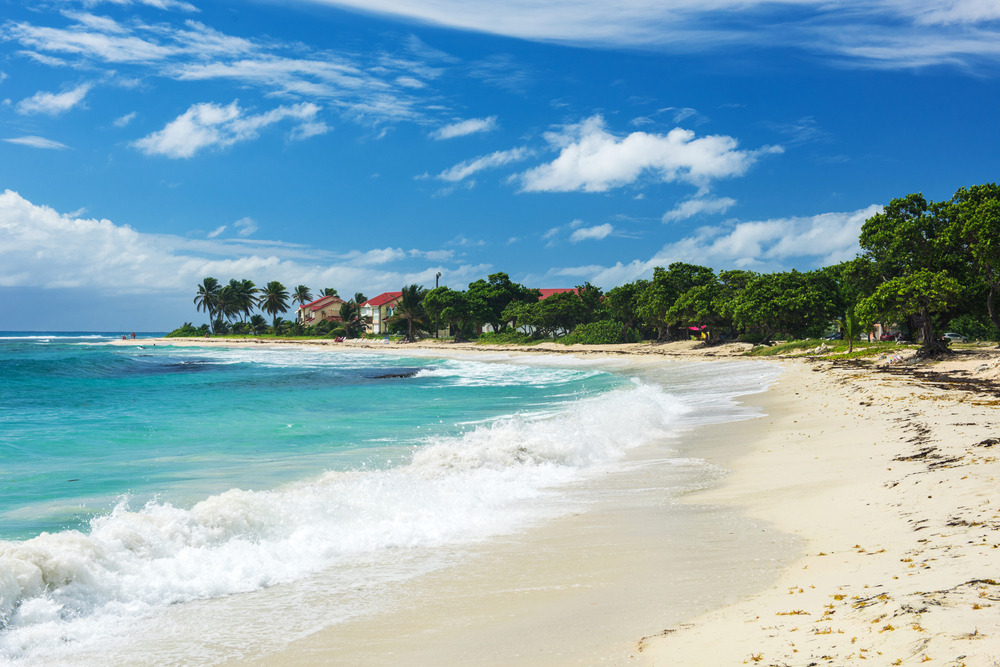
For those seeking seaside activities, Le Moule offers numerous picturesque beaches. On Grande-Terre's southern coast, you can enjoy Sainte-Anne beach resort, situated between Le Gosier and Saint-François. Lounging enthusiasts will appreciate its postcard-perfect shores. If you prefer swimming or water sports like windsurfing, Plage de la Caravelle will enchant you with its idyllic setting—pristine white sand, turquoise lagoon, and charming coconut palms. Toward Saint-François, the spectacular Plage de Bois Jolan also showcases fine white sand and is ideal for family picnics or gatherings with friends.
Climate
Le Moule enjoys a tropical savanna climate, characterized by a dry and cooler winter season and a hot, humid summer, according to Köppen classification. The town is exposed to trade winds blowing from the Atlantic Ocean. The region's hurricane season extends from June through November.
If traveling from Guadeloupe to Le Moule, you can reach the town by bus, taxi, or private car. The distance is approximately 25 km. For those preferring speed, a taxi is ideal—the journey takes only about 18 minutes. If you opt for the bus, expect travel time of up to 40 minutes, though it's the most economical option. Direct buses depart from Les Abymes, with services running daily and departing hourly. The terminus is at Le Moule station.
Attractions in Le Moule
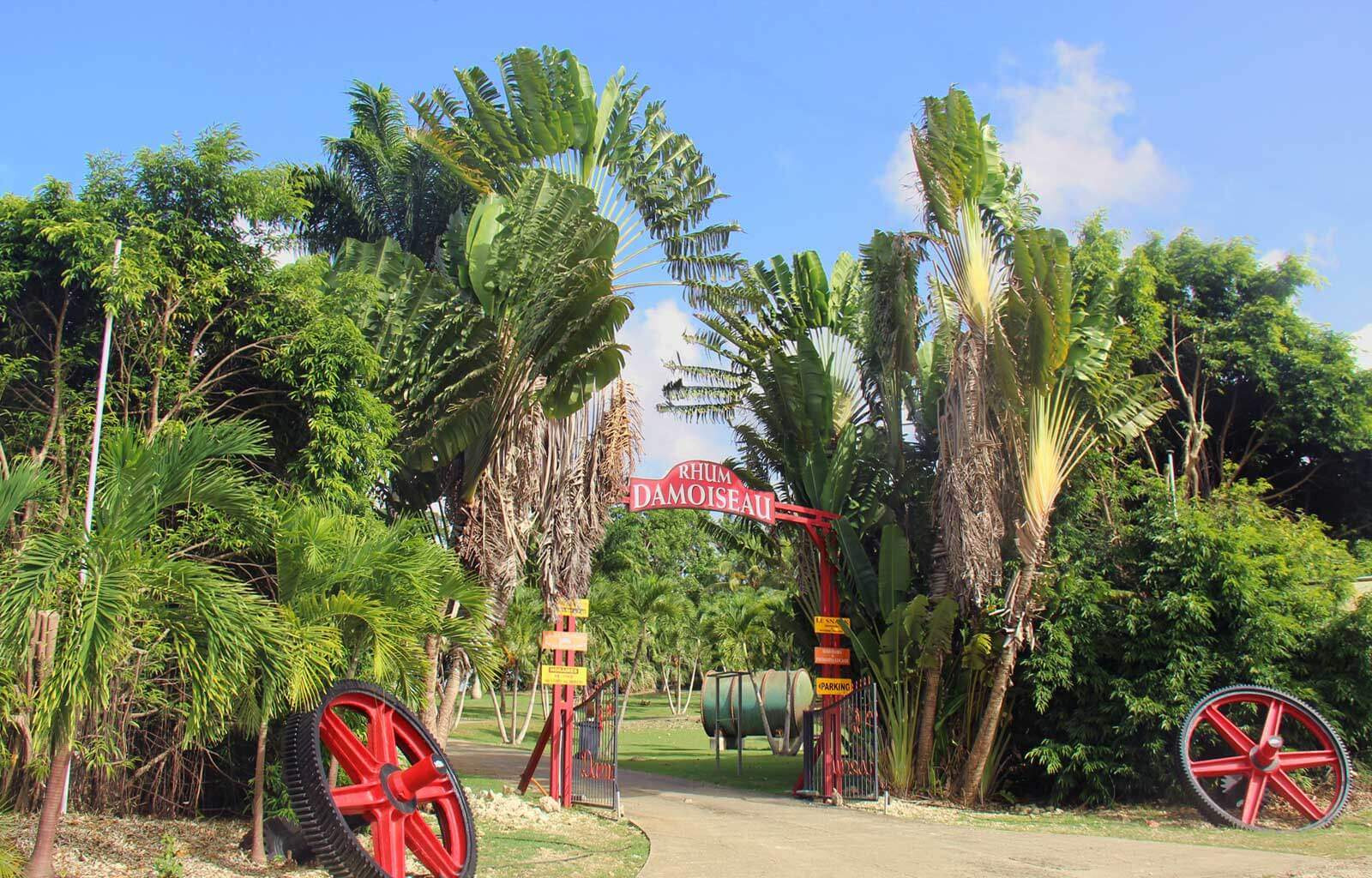
Distillerie Damoiseau
La Distillerie Damoiseau est installée à Bellevue, sur la commune du Moule, sur la côte Est de la Guadeloupe. Elle est aujourd'hui la seule distillerie encore en activité sur Grande-Terre
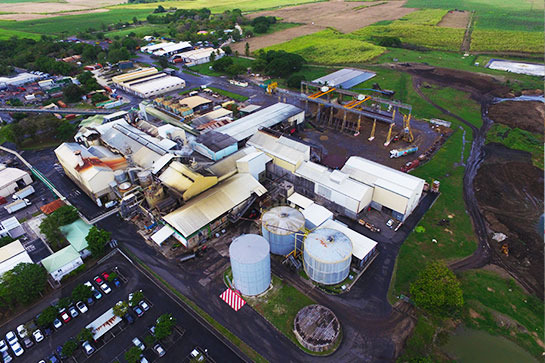
Usine Gardel
L'usine Gardel, parfois désignée sous son ancien nom Sainte-Marie, est la dernière sucrerie en activité de Guadeloupe.
Want to discover this destination?
Our local advisors design your tailor-made trip.